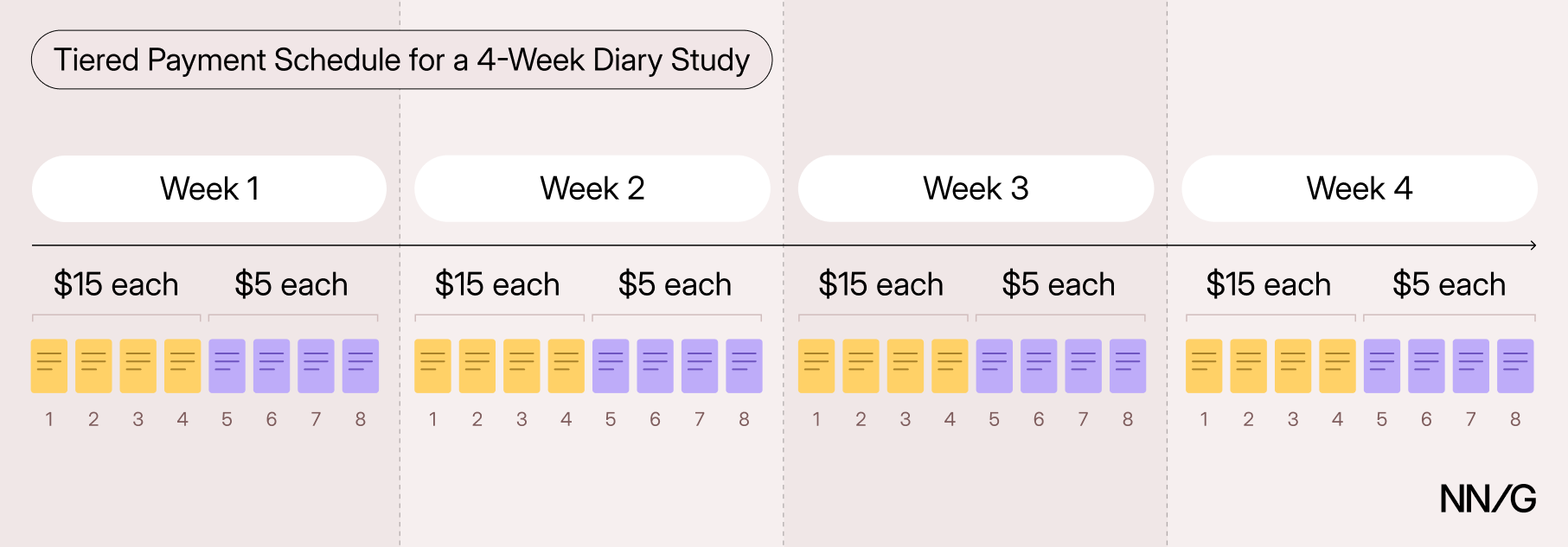
Summary: A mindful incentive structure can keep diary study participants engaged and responding, without overloading you with low-quality responses. Compared to other UX research studies, diary studies — especially longer ones — are particularly vulnerable to high participant attrition — when participants stop submitting entries or responding. One of the strongest levers against attrition is… Continue reading Incentive Structures for Diary Studies
Tag: amount
Syntax podcast episode 623: “Nothing in CSS” errata
I just listened to the Syntax podcast for the first time because they were discussing topics near and dear to my heart, HTML and CSS. The episode is called “Nothing in CSS – 0 vs 0px, no, none, hidden, initial and unset”, and they’re talking about all the things that can be 0, none, or… Continue reading Syntax podcast episode 623: “Nothing in CSS” errata
The horrors of designing for omniscience
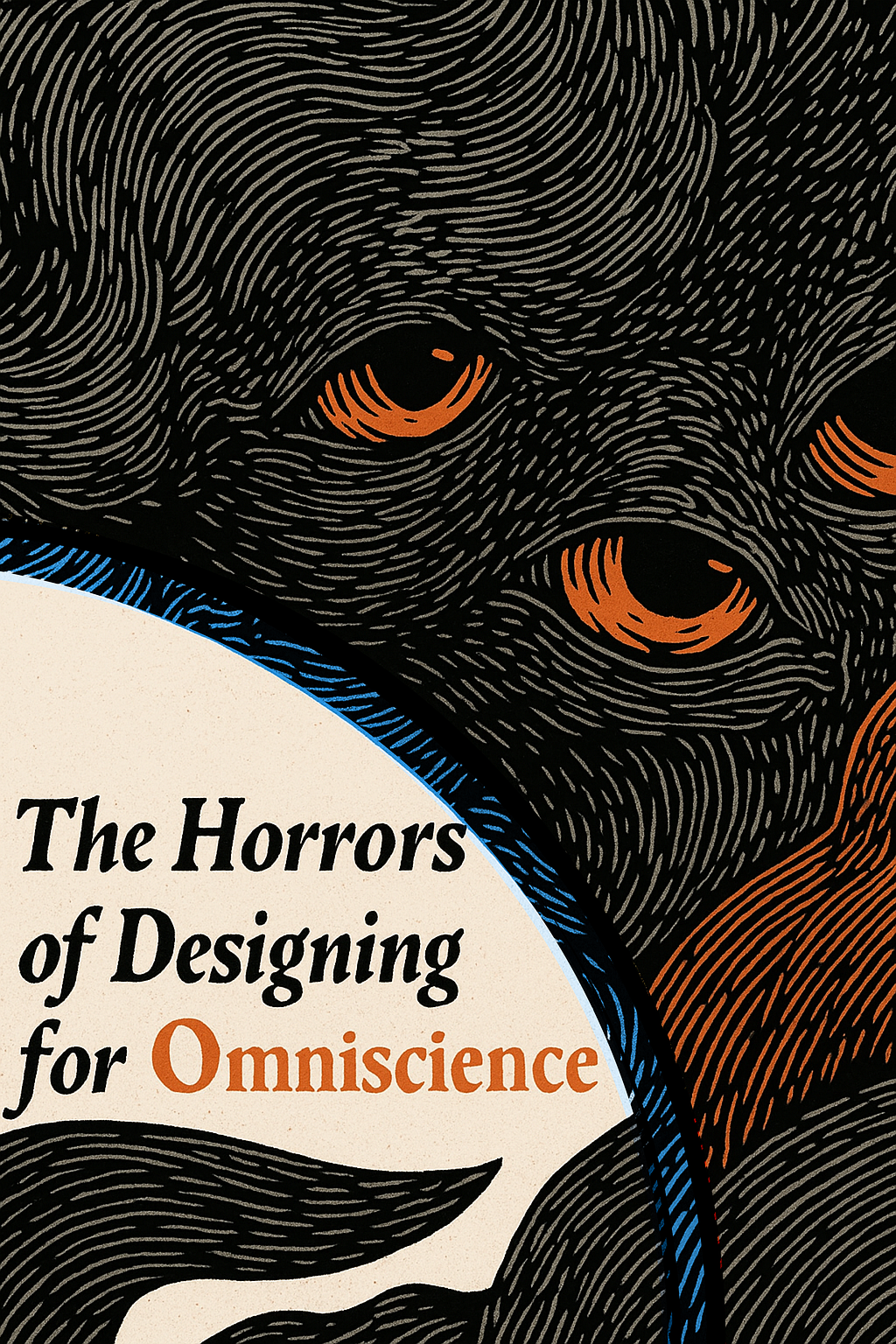
[unable to retrieve full-text content] What happens when systems decide the human is ‘all-knowing’ Ever click a button and have a system misbehave with no warning, feedback, or a way to undo, only to feel the repercussions minutes or a few days later? This is what I’ve coined “Designing for Omniscience” (and the horrors thereof). It’s… Continue reading The horrors of designing for omniscience
Google AI Mode: Powerful Search, Poor Usability
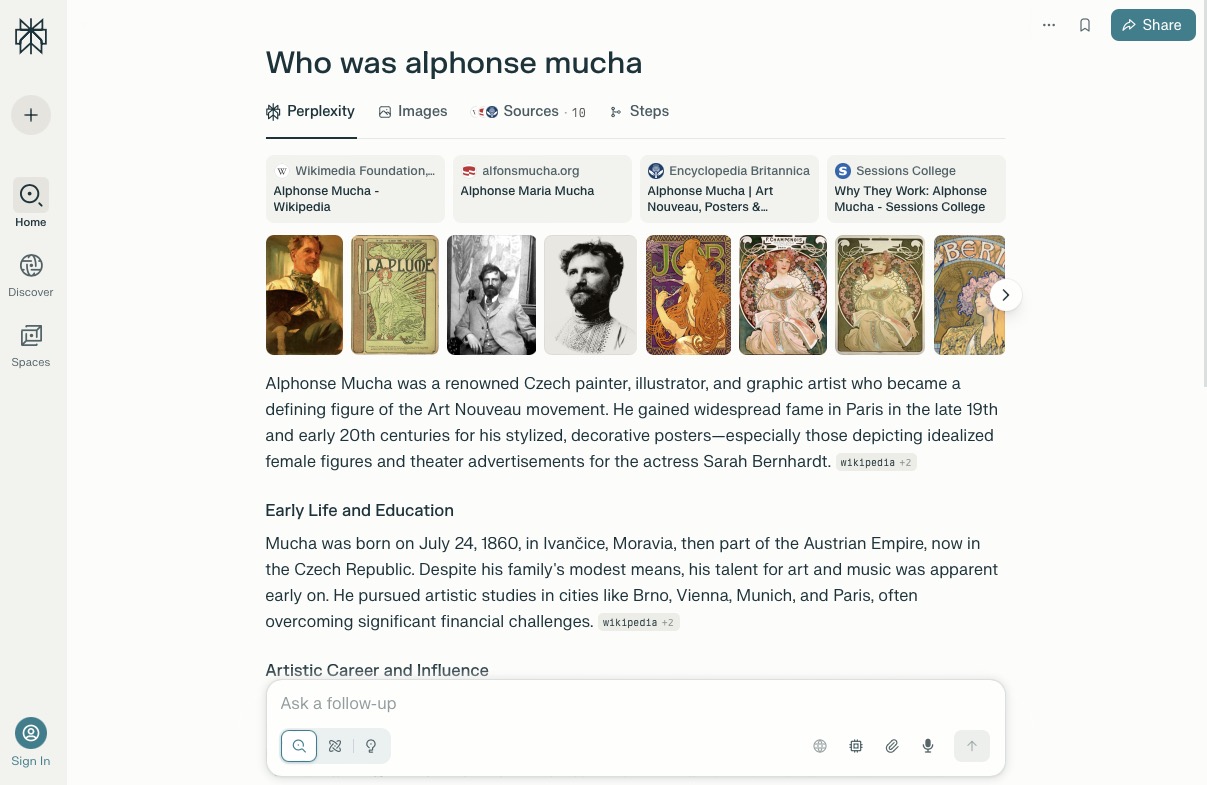
Summary: Google’s new AI Mode provides a new way to search the web but is hampered by discoverability and navigation issues — especially for AI novices. What Is Google AI Mode? Google AI Mode is a new feature of the search engine that combines the breadth of a web search with the reasoning power of… Continue reading Google AI Mode: Powerful Search, Poor Usability
Information pollution, poisoning, and hygiene

[unable to retrieve full-text content] Abstract representations of information pollution, poison, and hygiene. Image by the author, 2025. People are information beings. Our civilization is created from shared information with practical application — part know-how, part doing. Culture is shared information shortcuts. Society is shared cross-cultural information to find overall balance. Science is information built for understanding more broadly… Continue reading Information pollution, poisoning, and hygiene
AI Summaries of Reviews
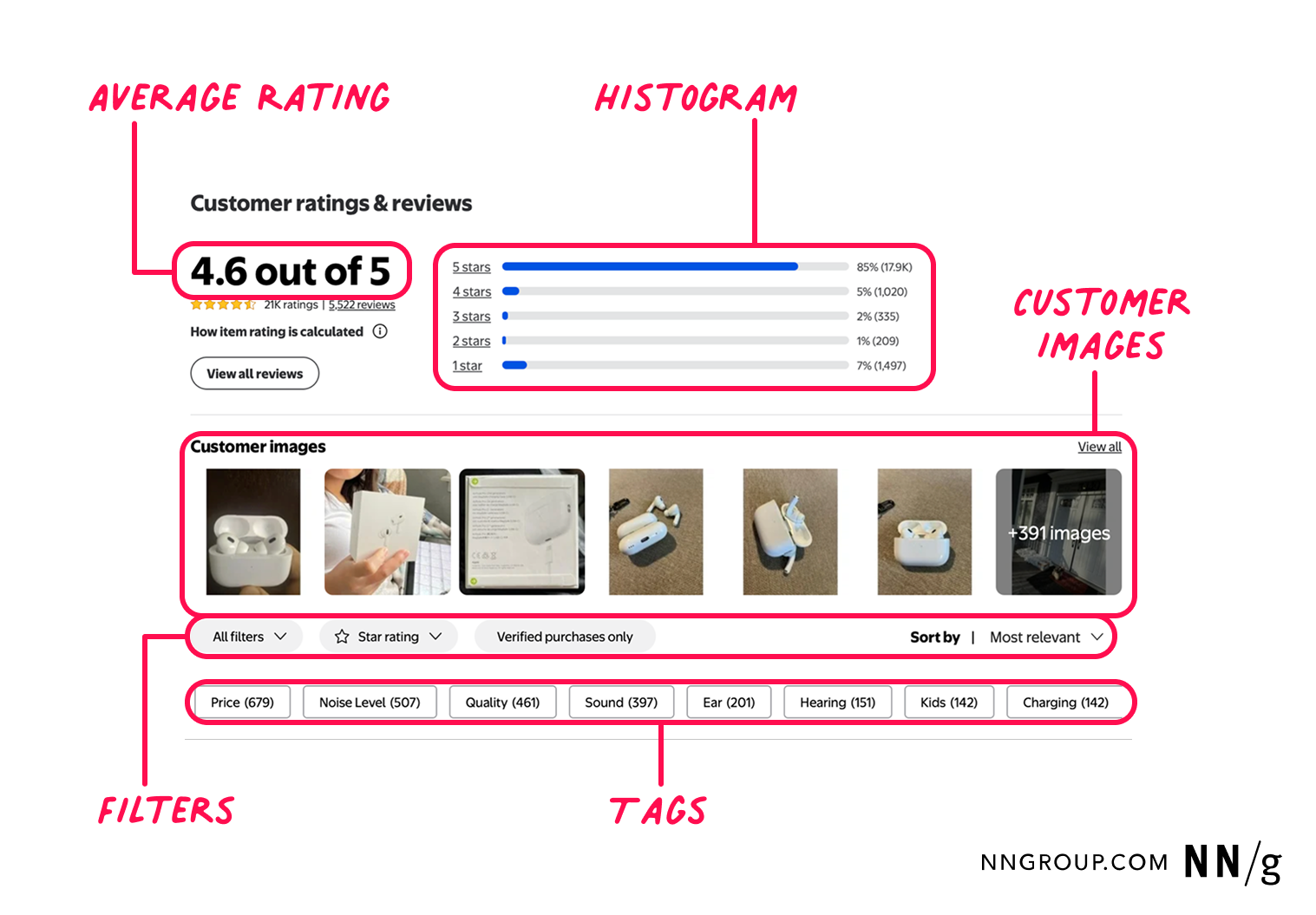
Summary: AI-generated review summaries extract qualitative key themes from customer feedback, helping shoppers quickly assess what purchasers think about the product. When designed well, AI summaries of ecommerce reviews helped our study participants quickly gauge product quality and fit for their needs. But when AI summaries of customer reviews were vague, poorly formatted, or blocked… Continue reading AI Summaries of Reviews
AI Chatbots Discourage Error Checking
Summary: AI hallucinations threaten the usefulness of LLM-generated text in professional environments, but today’s LLMs encourage users to take outputs at face value. Large language models (LLMs) are being widely introduced into professional workflows through both new standalone software and integrations with existing tools. One of the most important ways that these tools increase users’… Continue reading AI Chatbots Discourage Error Checking
UX Leads Adoption of AI Chat
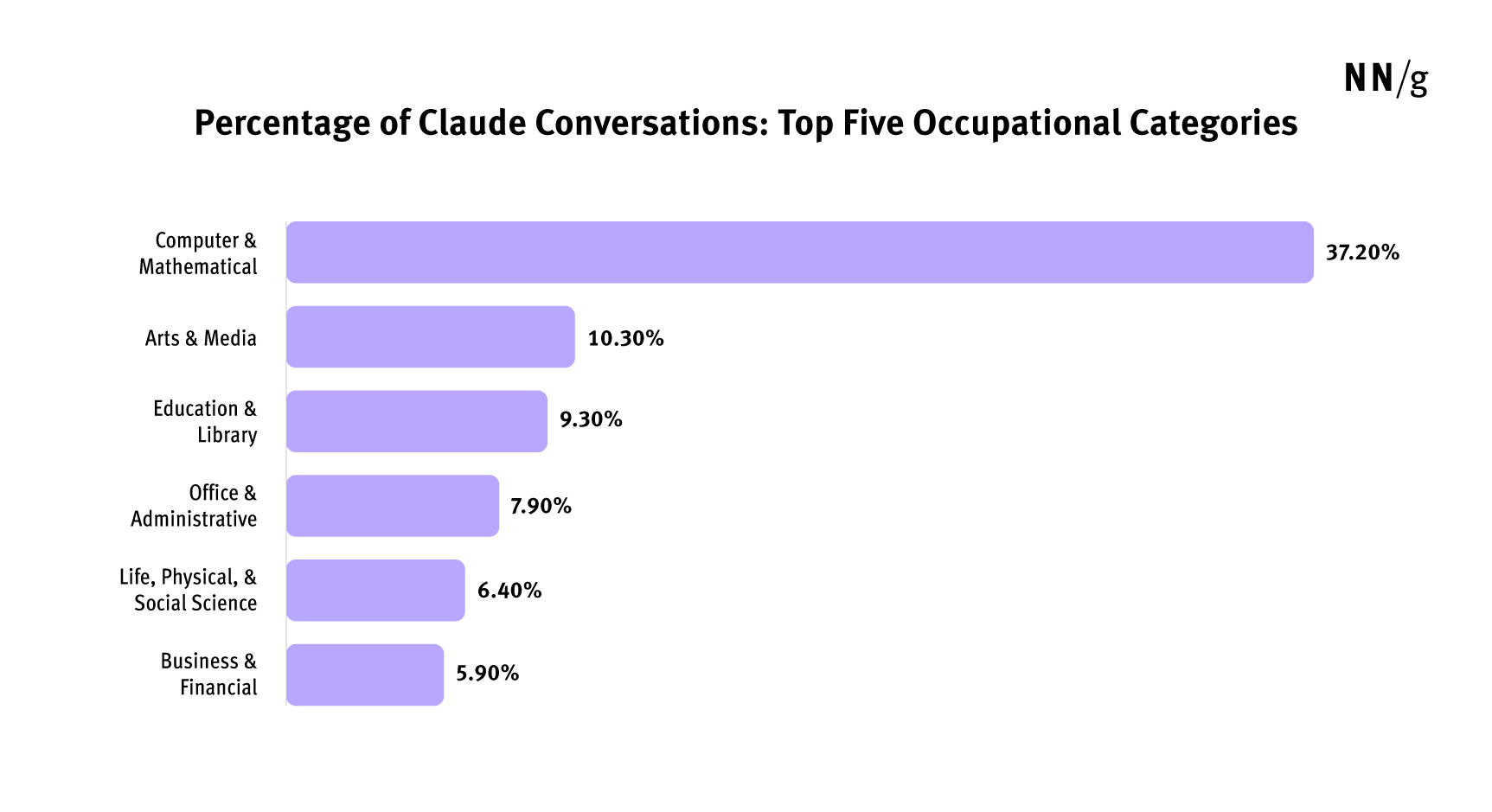
Summary: UX ranks among top fields adopting AI, mostly in writing, design, and coding tasks — though complex or human-centric UX activities remain largely AI-free An analysis of one million conversations with Claude.ai indicates that, while UX professionals represent less than 0.01% of the US workforce, they generate a remarkable number of AI conversations (7.5%… Continue reading UX Leads Adoption of AI Chat
Digital accessibility and the cost of exclusion
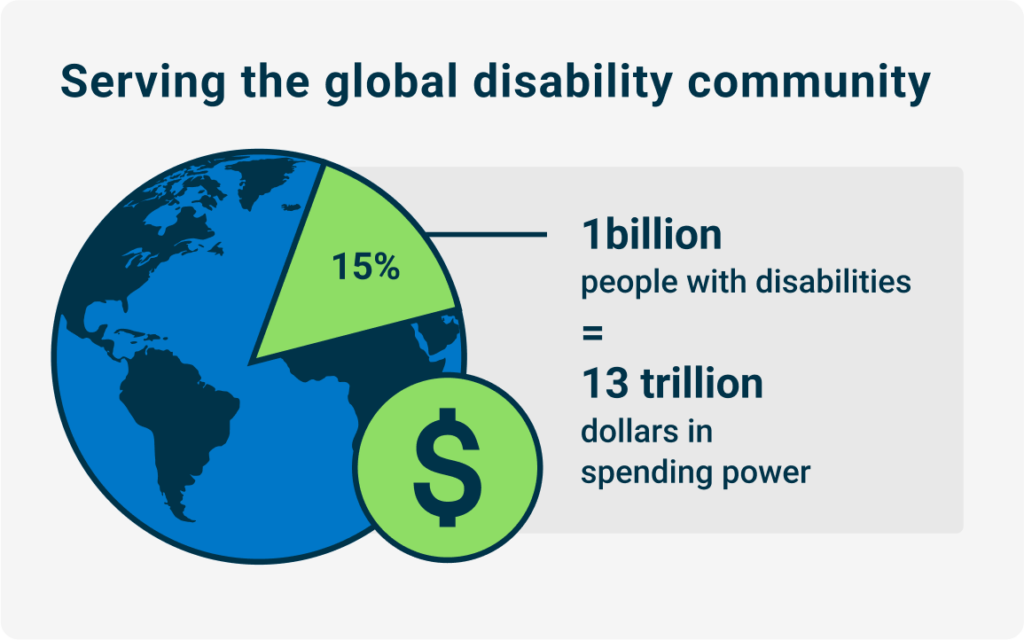
In my previous Proactive Perspectives article, I explored lessons from the Accessibility for Ontarians with Disabilities Act (AODA), discussed what to do when digital accessibility goals remain elusive, and shared strategies for managing disruption and keeping your program on track. Today, I want to build on those strategies by looking more closely at opportunities and… Continue reading Digital accessibility and the cost of exclusion
Top 25 Customer Analytics Software & Tools in 2025

Key Takeaways 📊 Customer analytics software helps businesses collect and analyze user data to improve digital products and understand customer behavior. 🛠️ Different tools offer features such as session recording, heatmaps, and customer segmentation to track interactions and find areas for improvement. 💰 Budget-friendly choices are available, with many tools providing free plans or trials,… Continue reading Top 25 Customer Analytics Software & Tools in 2025
Redefine Your Design Skills to Prepare for AI
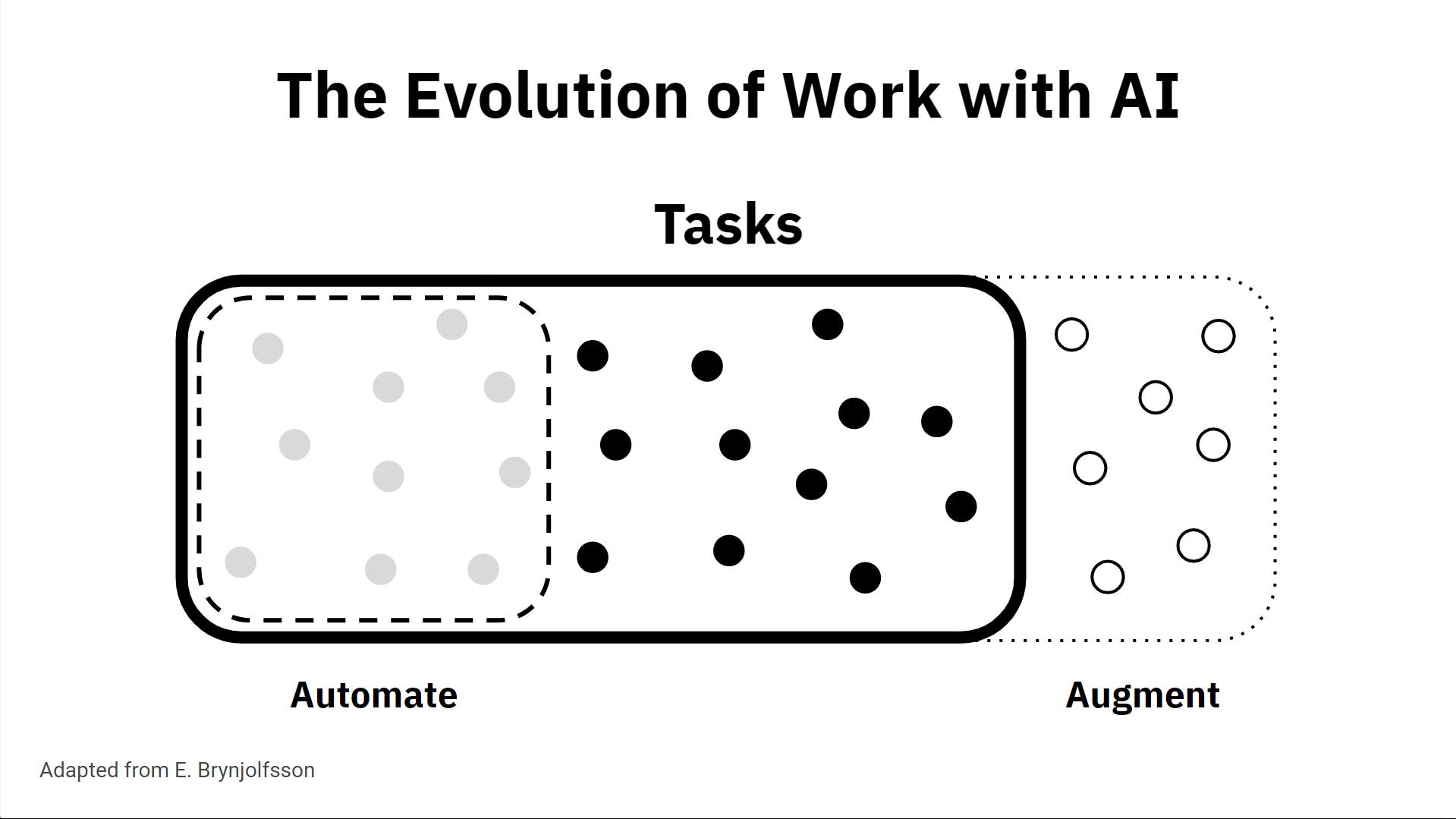
Summary: Designers must embrace 5 principles as our industry shifts with AI. Generative AI is impacting job markets. According to researchers at Harvard Business School, the German Institute for Economic Research, and the U.K.’s Imperial College London Business School, demand for automation-prone jobs fell 21% eight months after the release of ChatGPT in late 2022.… Continue reading Redefine Your Design Skills to Prepare for AI
MeasuringU reviews, price & alternatives

❕ Important note: This review site presents information relevant for researchers, not for participants in the user panel. TABLE OF CONTENTS What is MeasuringU? MUiQ is a UX research tool for desktop and mobile, offering usability studies, IA testing, surveys, and live sessions. With task recordings, click maps, and analytics, it helps you gain user… Continue reading MeasuringU reviews, price & alternatives
Serial Position Effect — How does human memory work while recalling?

[unable to retrieve full-text content] Recently we visited an art gallery, with all its amazing artworks lining the walls. Photo by Eric Park on Unsplash As we walk through the exhibition, we notice the careful arrangement of the artworks and how they evoke different emotions and leave a lasting impression Our eyes are naturally drawn to the… Continue reading Serial Position Effect — How does human memory work while recalling?
Best Figma User and Usability Testing Plugin

Key Takeaways 👉 UXtweak seamlessly connects with Figma, making it easy to start testing your prototypes without complicated setup. 👉 The plugin provides in-depth analytics, including statistics, heat maps, and funnels, to help you understand user behavior. 👉 UXtweak offers access to a reliable pool of testers, ensuring dependable feedback from your respondents. 👉 The… Continue reading Best Figma User and Usability Testing Plugin
7 Common Mistakes in Running Workshops

At UX studio, we facilitate and participate in many workshops, so we have that kind of experience, which could be helpful for someone searching for the how-tos. Here comes your guidance on how to run a workshop and how not to. What Are Workshops and Why Do We Run Them Workshops are designed to solve… Continue reading 7 Common Mistakes in Running Workshops
Visual Design: Glossary

Summary: Use this glossary to quickly clarify key terms and concepts related to visual design. Visual design requires knowledge and understanding of many jargon terms. Use this glossary as a reference as you delve into visual and user interface design. Jump to a definition in the table or review the complete glossary. Aesthetic-Usability Effect Users’… Continue reading Visual Design: Glossary
Best AI Design Tools: Insights & Tips From 50+ Tools
Impact of AI in design When it comes to design, AI has great creative capacity, given its text generation and text-to-image capabilities. Seeing some photorealistic images generated by AI, we cannot help but wonder what this means for us as designers. Some of the questions that were on our minds: How can we use this… Continue reading Best AI Design Tools: Insights & Tips From 50+ Tools
90% of designers are unhirable?
Or why your cookie-cutter portfolio doesn’t cut it and how to fix it Image by Matej Latin (Author) Here’s the harsh truth: I’ve reviewed more than 1,000 portfolios in my design career so far, and I turned 90% of them down because of one thing — the linear design process. By “linear design process” I mean cookie-cutter case studies that… Continue reading 90% of designers are unhirable?
Housing, It’s a Human Right (Part 3)

A 3-Part Series on the digital accessibility of the housing process experienced by people with disabilities. In this 3-part series, we will look at the challenges and rewards of the entire experience surrounding the process of acquiring housing for people who live with a disability. We will look at: Buying an existing home Leasing an… Continue reading Housing, It’s a Human Right (Part 3)
Three very good standardized UX surveys for industrial use
Pros and cons of the questionnaires SUS, PSSUQ, and ISO 9241–110 plus three more openly available, science-grounded, business-driven UX surveys (all including question sources) User Research Methods User research is one of the most important, if not the most important element of user experience (UX) and design. In this area exist many methods and materials, grounded in… Continue reading Three very good standardized UX surveys for industrial use
Enhancing Accessibility with AI and ML

There has been a lot of buzz recently about Artificial Intelligence, with some people speculating that we are approaching the long-awaited AI revolution. This hype has been chiefly generated by recent advanced algorithms powering ChatGPT and other language-related models. While I believe that these models are still a far cry from general AI (AI which… Continue reading Enhancing Accessibility with AI and ML
Ensuring negative numbers are available for everyone
This post is co-authored by Michael Fairchild and Jeremy Katherman. That little minus sign before a number is very important. It can mean the difference between having money in your bank account or paying overdraft fees. It can be the difference between a deposit or a withdrawal. Negative numbers can be indicated in several ways,… Continue reading Ensuring negative numbers are available for everyone
We’re turning designers into factory workers
Considering the availability of modern tools and recent advancements in governance (design systems), one might think designers could relax and enjoy some leisure time. Surprisingly, that’s not the case. In fact, it feels like designers have even less time than before. As we’re frantically pushing towards an auto-governed future, we ought to stop and think… Continue reading We’re turning designers into factory workers
Designing for AI: beyond the chatbot
Guidelines and strategies for meaningfully leveraging AI in your applications With the recent advancements in AI, we as designers, builders, and creators, face big questions about the future of applications and how people will interact with digital experiences. Generative AI has unleashed huge possibilities with what we can do with AI. People are now using… Continue reading Designing for AI: beyond the chatbot