
Summary: Handoff willingness, flexibility, proactivity, emotional responsiveness, and transparency help you build trustworthy AI chatbots that guide users well. Designing a site-specific AI chatbot requires making key decisions even before user testing begins. The five chatbot qualities described in this article — handoff willingness, flexibility, proactivity, emotional responsiveness, and transparency — can guide those early… Continue reading The 5 Qualities of Site-Specific AI Chatbots
Tag: happens
Progressively enhancing Grid Lanes

This post is a follow-up on my previous post. I was wondering whether it’s safe to use Grid Lanes today. I came up with a solution I find okay, but there is a caveat. Note: This post contains interactive demos. If you want to see them instead of screenshots, enable the CSS Grid Lanes Layout flag… Continue reading Progressively enhancing Grid Lanes
What Actually Makes People Happy? The Real Research, Explained Simply

Decades of psychology research, including Harvard’s 85-year happiness study, reveal what genuinely predicts a happy life. Learn what the science actually says about money, relationships, and the habits within your control. In 1938, Harvard researchers began tracking 724 teenage boys, checking in on their lives every two years, for the rest of their lives. Nobody involved… Continue reading What Actually Makes People Happy? The Real Research, Explained Simply
Personalization Pyramid: A Framework for Designing with User Data
As a UX professional in today’s data-driven landscape, it’s increasingly likely that you’ve been asked to design a personalized digital experience, whether it’s a public website, user portal, or native application. Yet while there continues to be no shortage of marketing hype around personalization platforms, we still have very few standardized approaches for implementing personalized… Continue reading Personalization Pyramid: A Framework for Designing with User Data
Using RAS to Guide UX Research Resource Allocation and Strategy
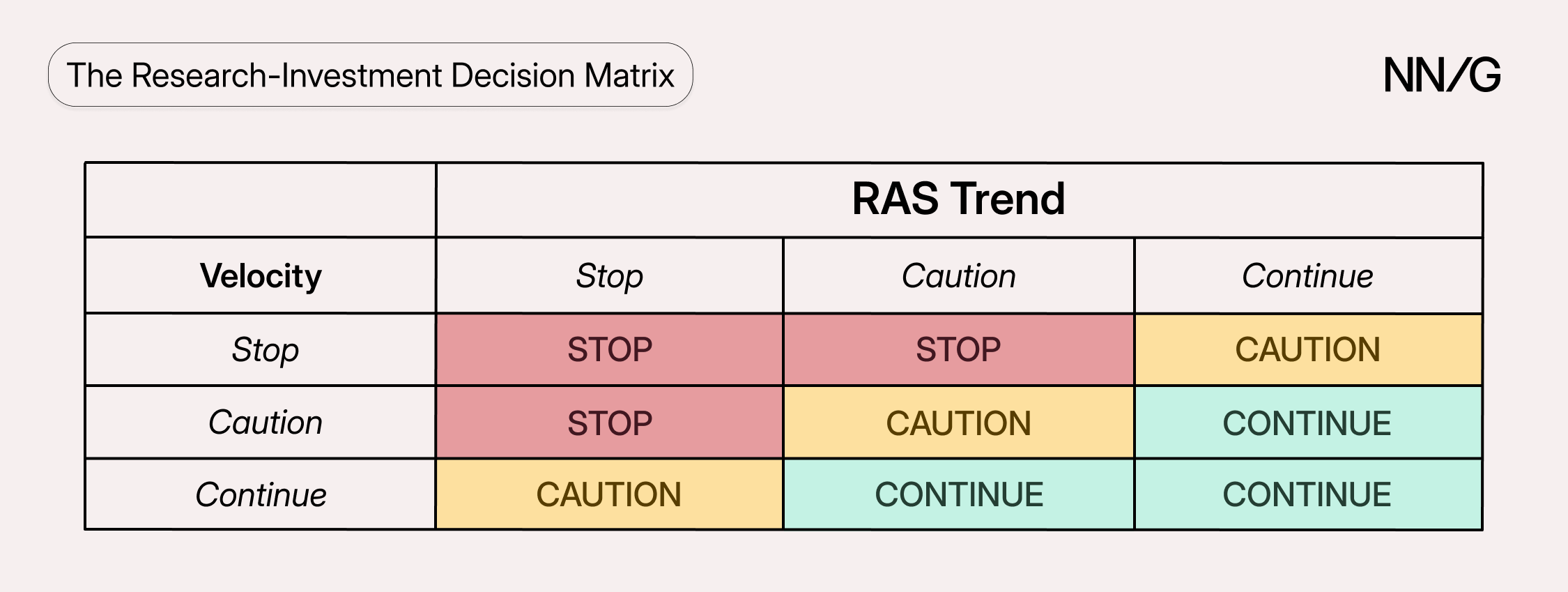
Summary: RAS helps managers allocate resources based on actual impact, shifting focus from outputs to outcomes and enabling data-driven UX strategies. In articles 1 and 2 of this series, we defined research breakage, introduced the recommendation-adoption score (RAS) (see the template here), and showed how to calculate it. In this article, we turn to how leaders… Continue reading Using RAS to Guide UX Research Resource Allocation and Strategy
Closing the Loop: What to Do After a Design Critique Ends
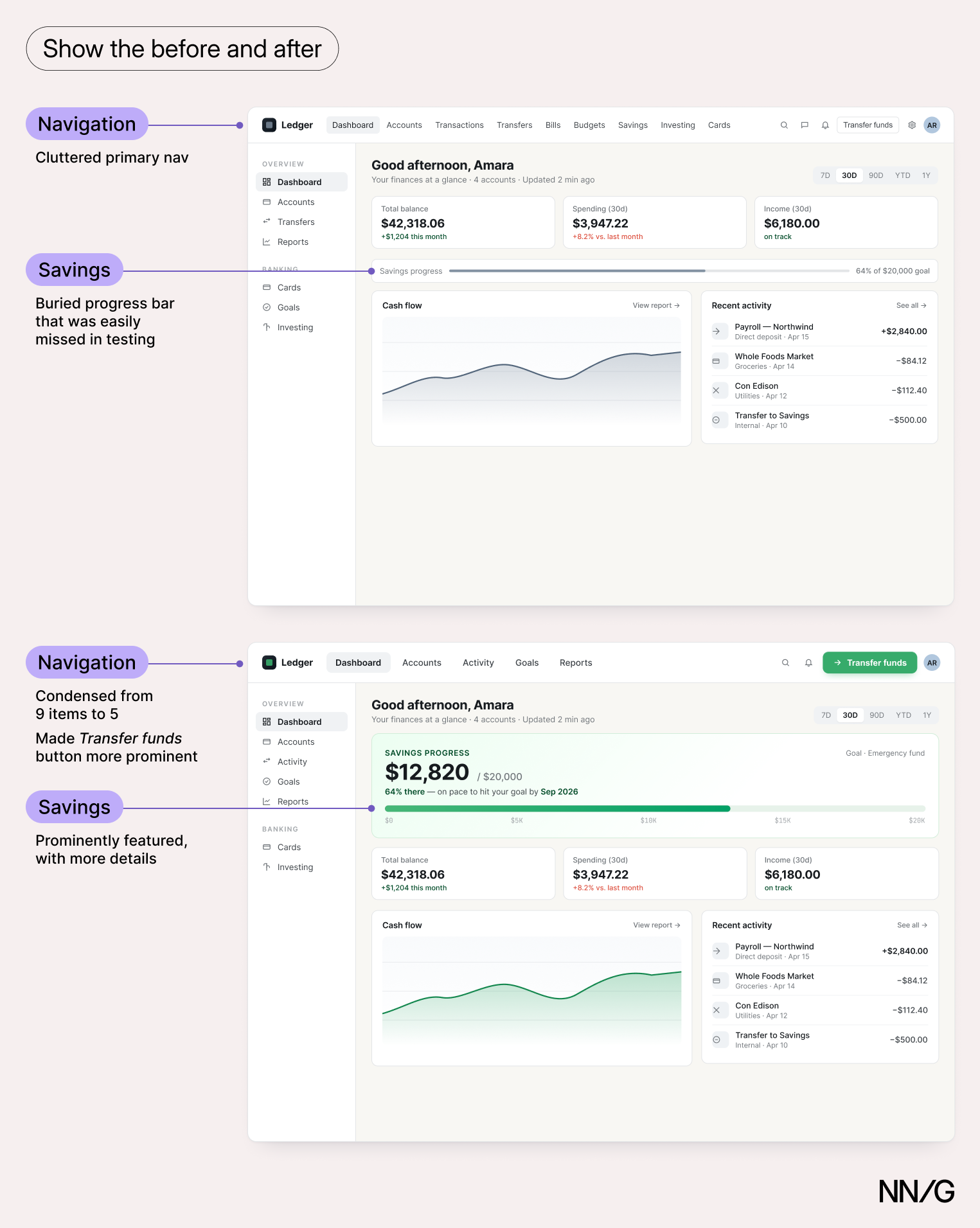
Summary: Most designers invest in running critiques but skip the followup. That missing step is often why feedback culture breaks down. Design critiques generate feedback. But feedback is valuable only if someone closes the loop on it: telling people what changed because of what they said, what didn’t change, and why. This article covers two… Continue reading Closing the Loop: What to Do After a Design Critique Ends
The horrors of designing for omniscience
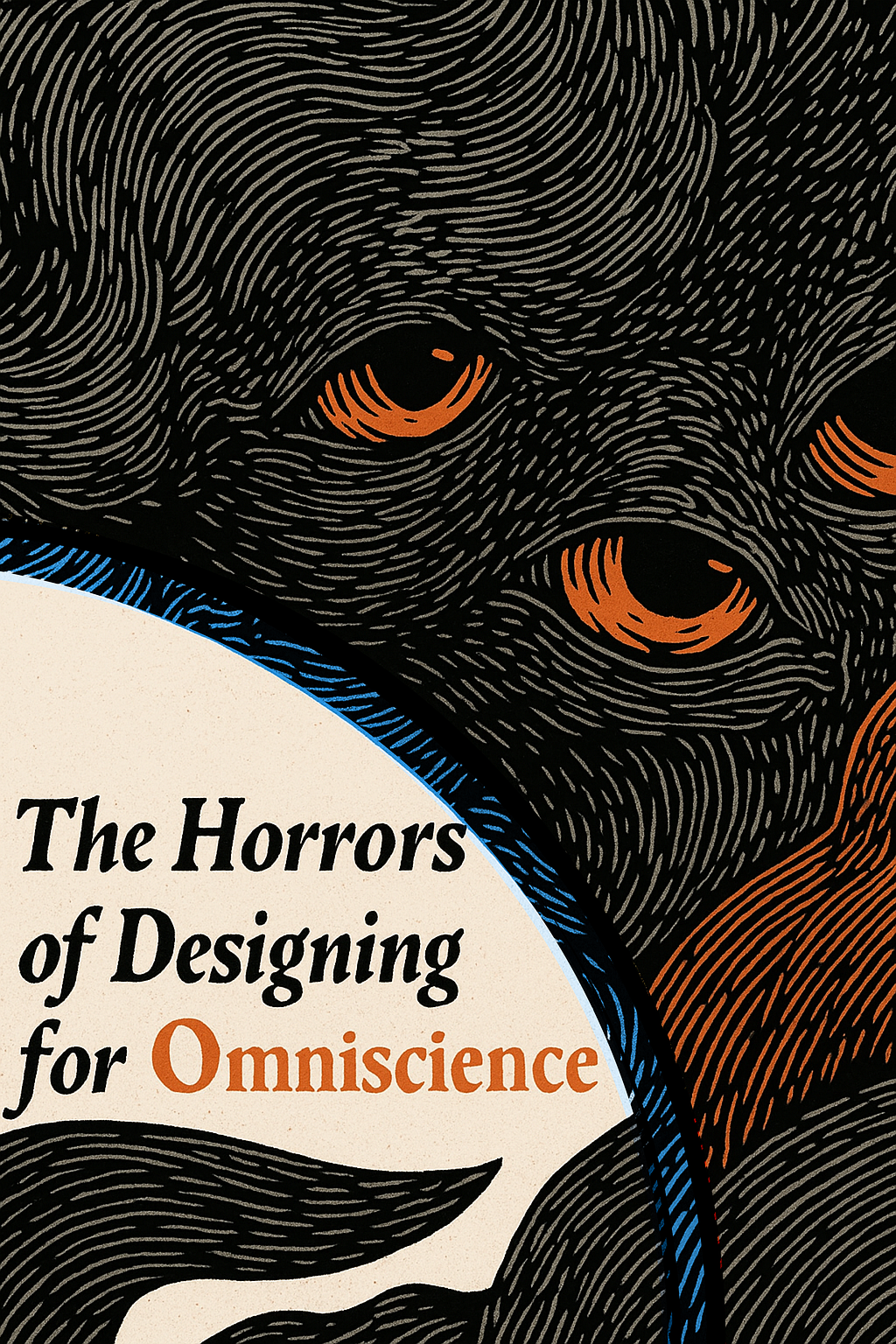
[unable to retrieve full-text content] What happens when systems decide the human is ‘all-knowing’ Ever click a button and have a system misbehave with no warning, feedback, or a way to undo, only to feel the repercussions minutes or a few days later? This is what I’ve coined “Designing for Omniscience” (and the horrors thereof). It’s… Continue reading The horrors of designing for omniscience
Product Validation Testing: Build Products w/ Product-Market Fit in 9 Steps

Key takeaways 🧪 Product validation confirms whether your idea solves a real problem for real users before you invest time and money building it ⚙️ It replaces assumptions through prototyping, interviews, surveys, and A/B tests 💪 Strong validation leads to better adoption, retention, and long-term success 🔎 The process involves defining hypotheses, mapping assumptions, selecting… Continue reading Product Validation Testing: Build Products w/ Product-Market Fit in 9 Steps
40+ Best Customer Discovery Questions
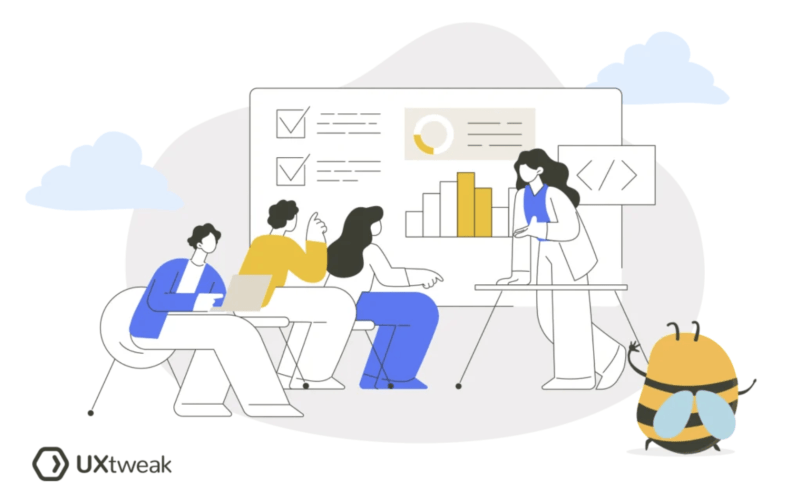
Key takeaways 🧠 Customer discovery means talking to real people to understand their problems before you build. It’s about validating the customer’s pain points, not pitching a solution. 🛠️ Asking problem-oriented questions reveals real frustrations, behaviors, and unmet needs. This helps you focus on what matters to your users. 💡 Dig into why users want… Continue reading 40+ Best Customer Discovery Questions
Information pollution, poisoning, and hygiene

[unable to retrieve full-text content] Abstract representations of information pollution, poison, and hygiene. Image by the author, 2025. People are information beings. Our civilization is created from shared information with practical application — part know-how, part doing. Culture is shared information shortcuts. Society is shared cross-cultural information to find overall balance. Science is information built for understanding more broadly… Continue reading Information pollution, poisoning, and hygiene
UX Maturity Is a Living System, Not a Ladder
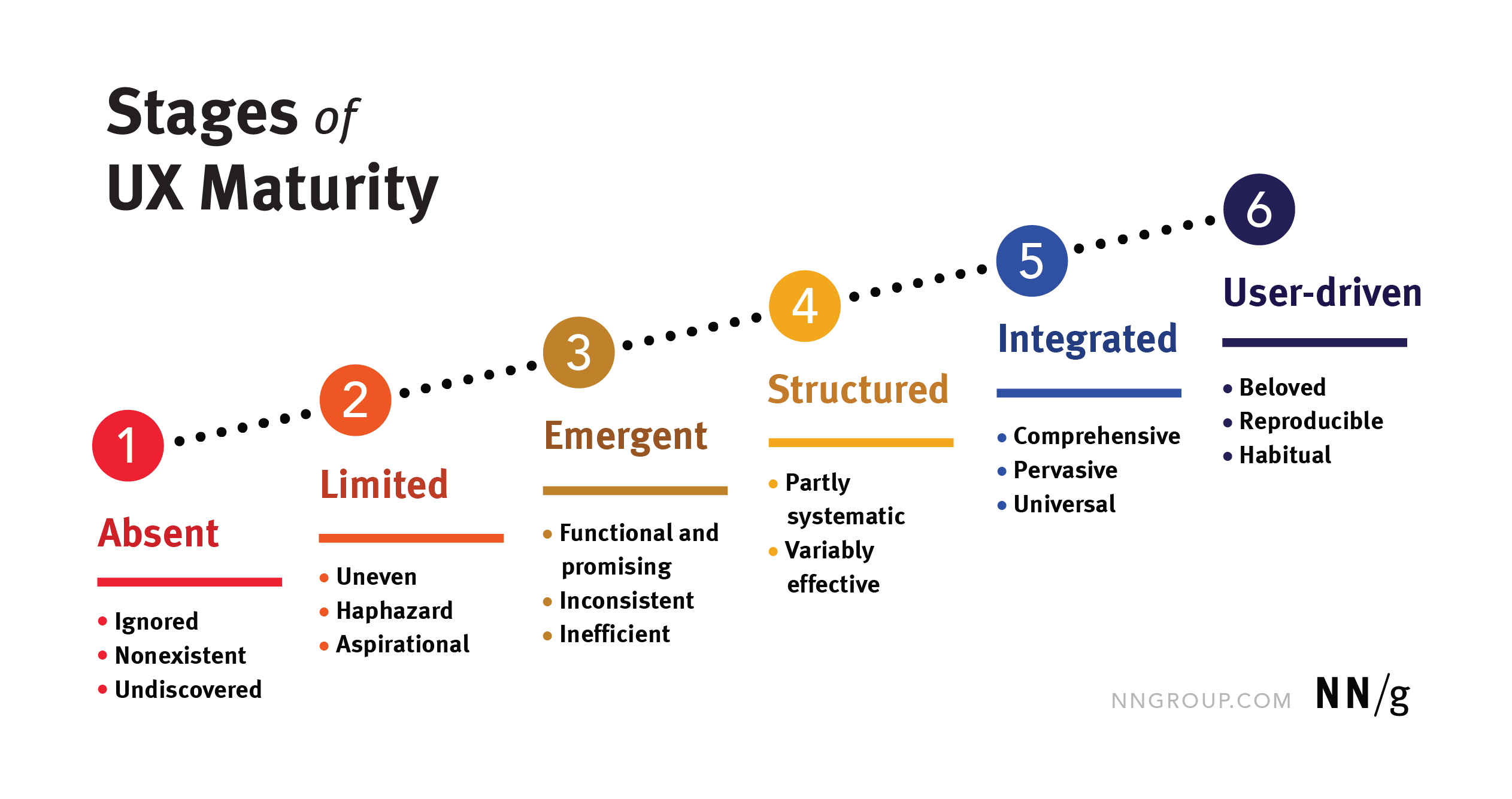
Summary: Focus on continuous reflection — not stage-hopping — to grow sustainable, resilient UX practices. Through decades of research and consulting with teams across industries at NNGroup, we’ve studied what UX looks like in real life. The result is our UX-maturity model — a framework designed to help organizations understand how UX is practiced, supported,… Continue reading UX Maturity Is a Living System, Not a Ladder
Creating Design Specs for Development
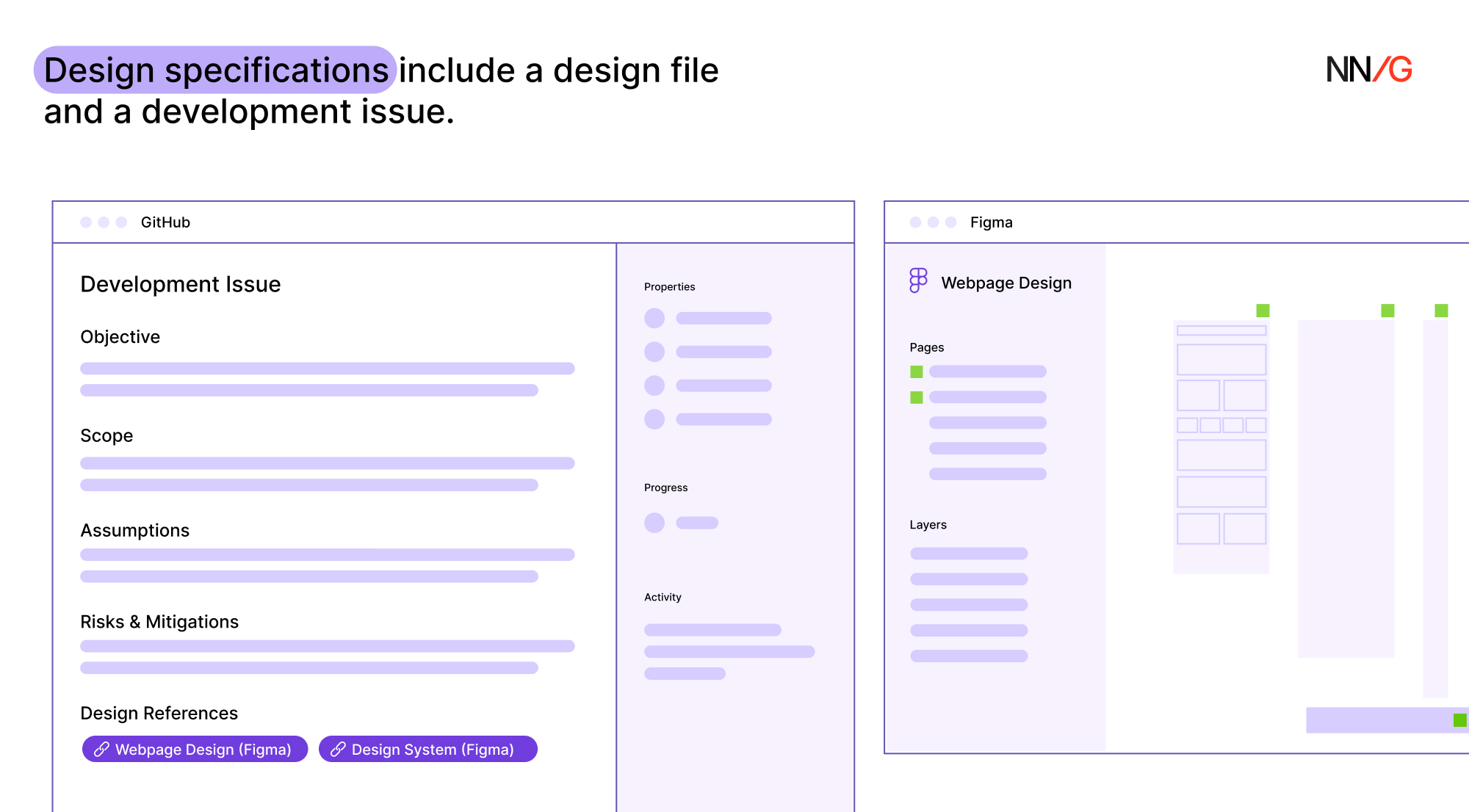
Summary: Design specifications should provide all the relevant information needed to align the design and development teams. You work tirelessly on a new design project. It’s your masterpiece… until the dev team says it isn’t possible. Most designers have experienced this situation at some point in their careers. As frustrating as it may be, there… Continue reading Creating Design Specs for Development
How AI Models Are Trained
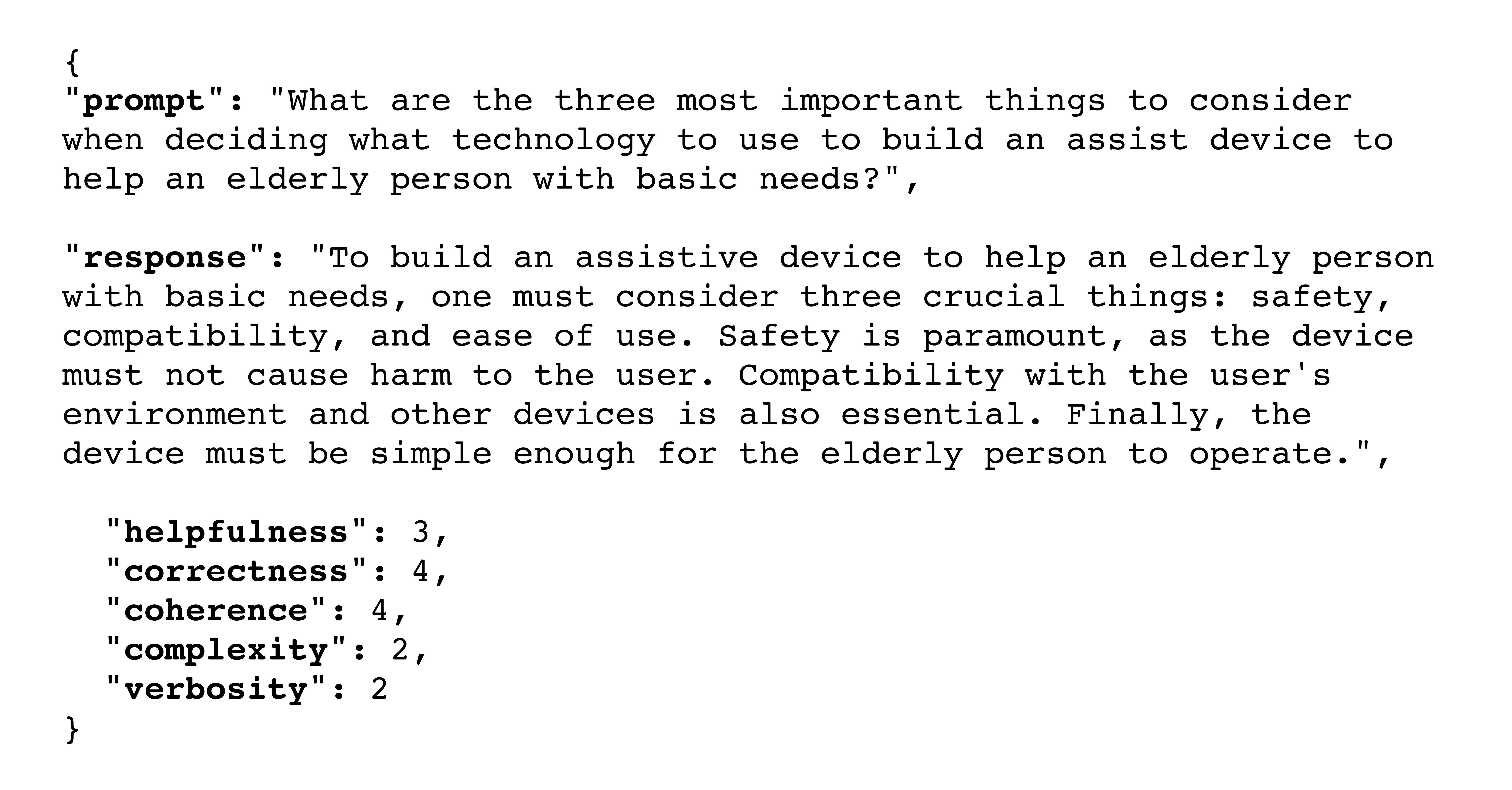
Summary: Training modern LLMs is a costly process that shapes the model’s outputs and involves unsupervised, supervised, and reinforcement learning. By this point, you’ve undoubtedly heard that the large language model (LLM) behind your favorite AI tool has been “trained on the whole internet.” To some extent, that’s true, but after training hundreds of UX… Continue reading How AI Models Are Trained
UX Leads Adoption of AI Chat
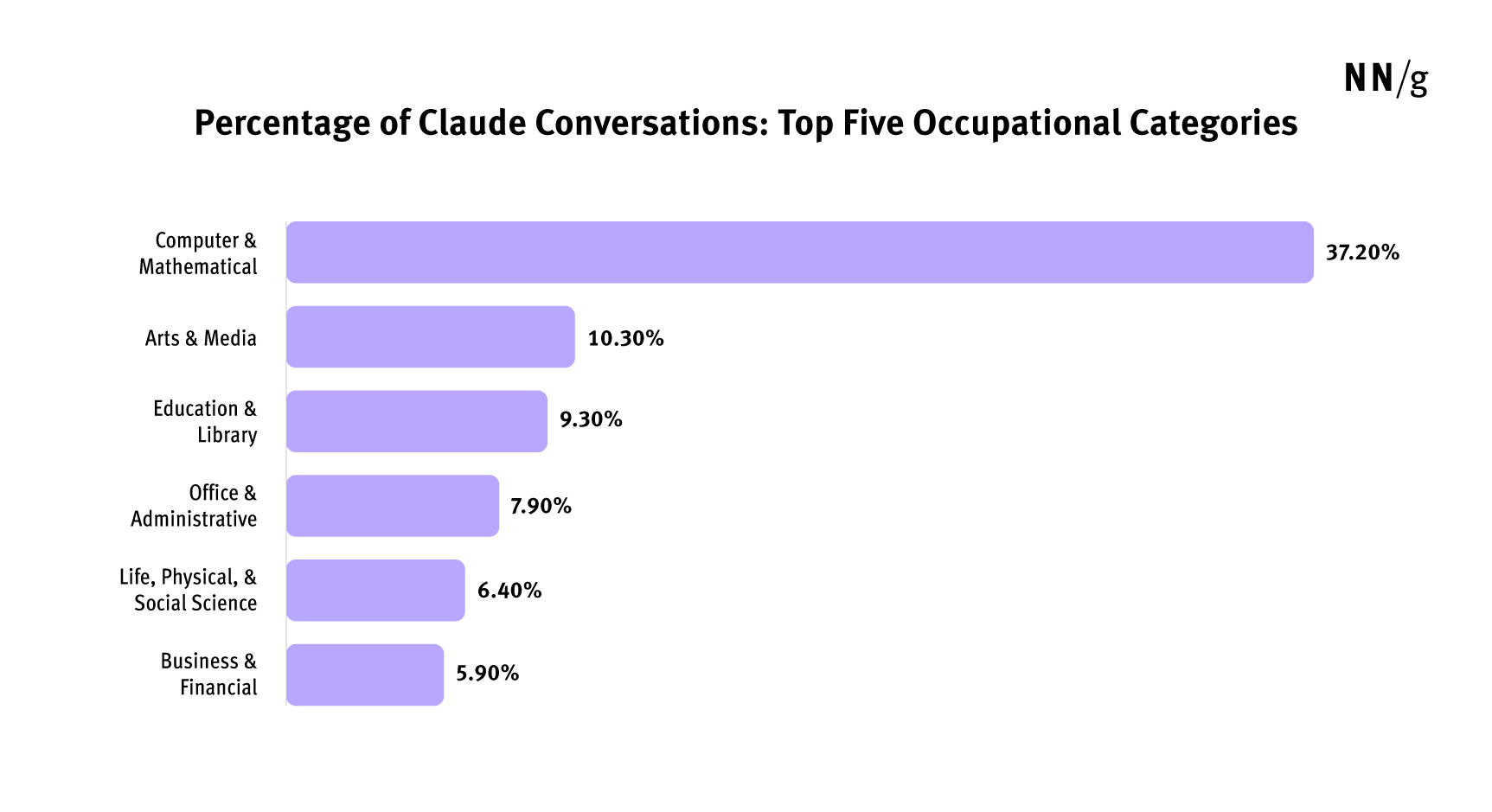
Summary: UX ranks among top fields adopting AI, mostly in writing, design, and coding tasks — though complex or human-centric UX activities remain largely AI-free An analysis of one million conversations with Claude.ai indicates that, while UX professionals represent less than 0.01% of the US workforce, they generate a remarkable number of AI conversations (7.5%… Continue reading UX Leads Adoption of AI Chat
AI Hallucinations: What Designers Need to Know
Summary: Plausible but incorrect AI responses create design challenges and user distrust. Discover evidence-based UI patterns to help users identify fabrications. What Are AI Hallucinations? Generative AIs are well-known for their tendency to produce hallucinations — untruthful answers (or nonsense images). A hallucination occurs when a generative AI system generates output data that seems plausible… Continue reading AI Hallucinations: What Designers Need to Know
UX Design Mistakes of the B2C E-Commerce Galaxy
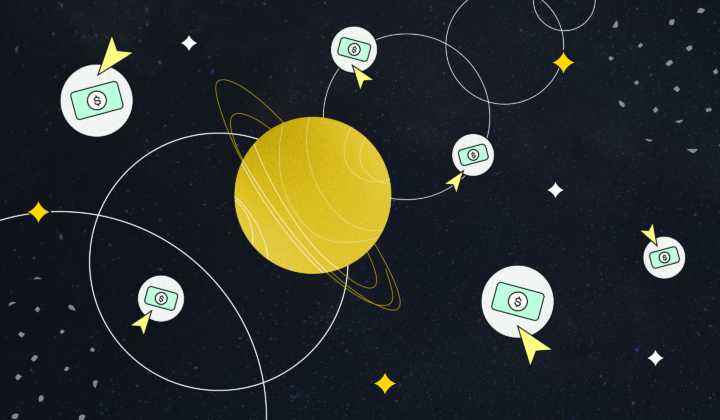
Want to know more? Come with me to meet some design mistakes in the galaxy of e-commerce far, far away. 1. The petrol station approach – main navigation issue Finding the toilet in a petrol station’s cafeteria can be stressful.You enter the main door and find yourself in an open space. While figuring out if… Continue reading UX Design Mistakes of the B2C E-Commerce Galaxy
Designing safe and trustworthy AI systems
Designing for safe and trustworthy AI Why human oversight to make up for AI errors doesn’t work and what we can do instead Illustration created by Cara Storath in Midjourney As much as AI is powerful, in some cases it can be misleading or wrong. A realization that came too late to a New York lawyer,… Continue reading Designing safe and trustworthy AI systems
5 things I learned as a product designer: a 10-year journey at Amazon, Walmart and startups
In 2019, I wrote an article titled What I learned as a Product Designer over the last 6 years — a snapshot of my journey with points I deemed relevant to any upcoming designers interested in the field of UX or Product Design. Little did I know that the following years would bring an abundance of experiences,… Continue reading 5 things I learned as a product designer: a 10-year journey at Amazon, Walmart and startups
Apple Vision Pro: how to turn people into 24/7 surveillance agents for capitalism
From Apple.com In the world of tech, innovation is a double-edged sword. On one side, we have the allure of cutting-edge technology, promising to revolutionize our lives. But what happens when this revolution infringes on our privacy? The latest product from Apple, the Vision Pro AR headset, is a perfect example of this dichotomy. The… Continue reading Apple Vision Pro: how to turn people into 24/7 surveillance agents for capitalism
The UX of Sweetgreen
Sweetgreen seems to have its mind in the right place when it comes to embracing present and future technologies to offer an amazing UX. Image by Sweetgreen. Sweetgreen has come a long way since opening its first Washington, D.C. salad bar in 2007. 15 years have passed, and they are now on track to reach over 200… Continue reading The UX of Sweetgreen
The age of Agile must end
30 years ago the technology industry attempted to import Lean practices — it failed. Instead of “continuous improvement,” progress halted. Agile is incompatible with UX research, design, and scalable development. It always will be. It’s time to create a new operational standard. Changing of the guards. Photo by Micah Kunkle on Unsplash As startups refocus on “operational efficiency,”… Continue reading The age of Agile must end
Ask a UXR #2: introducing user research to an organization
On asking the existential questions about a UXR’s purpose, being a thought partner, and bringing questions, not just answers This is the second post in a bi-weekly UXR Q+A series. Submit your questions in the comments, or in this Google form, and it they may be answered in future posts. Follow “Ask a UXR” by subscribing… Continue reading Ask a UXR #2: introducing user research to an organization
Handling cross-team feedback loops on design work
Escape the siloing trap when you are both part of a design team and a product team, involve people early and often, and foster the right conversation at the right time If you are a designer working in a product organization you are maybe also part of two teams at the same time: a design team… Continue reading Handling cross-team feedback loops on design work
Remote friendly or unfriendly?
Some easy steps to elevate remote working amongst colleagues and teams. I’ve been a product designer for a few years now, working in different countries and environments, with clients in completely different time zones, colleagues in different offices geographically, working remotely due to coronavirus, and of course, worked full time in the office with colleagues. Over… Continue reading Remote friendly or unfriendly?