Summary:
Handoff willingness, flexibility, proactivity, emotional responsiveness, and transparency help you build trustworthy AI chatbots that guide users well.
Designing a site-specific AI chatbot requires making key decisions even before user testing begins. The five chatbot qualities described in this article — handoff willingness, flexibility, proactivity, emotional responsiveness, and transparency — can guide those early design decisions and provide a framework for evaluating existing chatbots. (But don’t neglect real testing. Real users will help you finetune the specific behaviors that will best serve their needs.)
Getting these qualities wrong can be costly. People are still forming mental models of site-specific AI chatbots and figuring out whether to view them as human customer-support representatives or frontier-level LLMs. Many chatbots fall short of both types of expectations and quickly get abandoned by users.
1. Handoff Willingness: Respect Users’ Desire to Speak with Real People
AI chatbots should allow users to connect with human agents with minimal friction.
There is a strong business argument against escalating conversations to humans: preventing the involvement of human agents reduces the human hours needed to assist customers, thereby saving money.
However, users do not yet view AI chatbots as equivalent to human agents. As soon as they feel that the bot isn’t helping or that their circumstances are beyond its abilities (which is still common), they want to speak with a human.
This is not new. It’s a repeat of the old phone tree dilemma: a system designed to save the business money becomes a barrier between users and getting the help they need.
One participant in our study on site-specific AI chatbots explained:
“I just get turned off by it because a lot of times you go through the AI or the chatbot and you ask the question and […] I feel like a hamster wheel kind of spinning around and around, and I’m not really getting anywhere. Or they say, ‘I’m sorry, but we can’t help you with that. Call this number.’ Well, that’s what I want in the first place.”
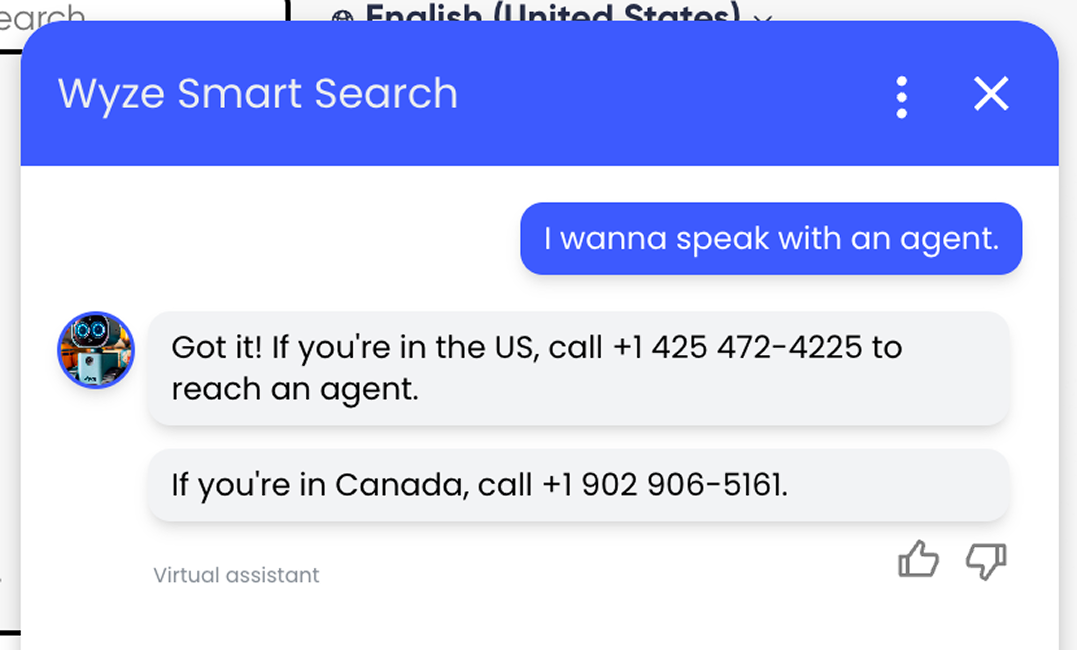
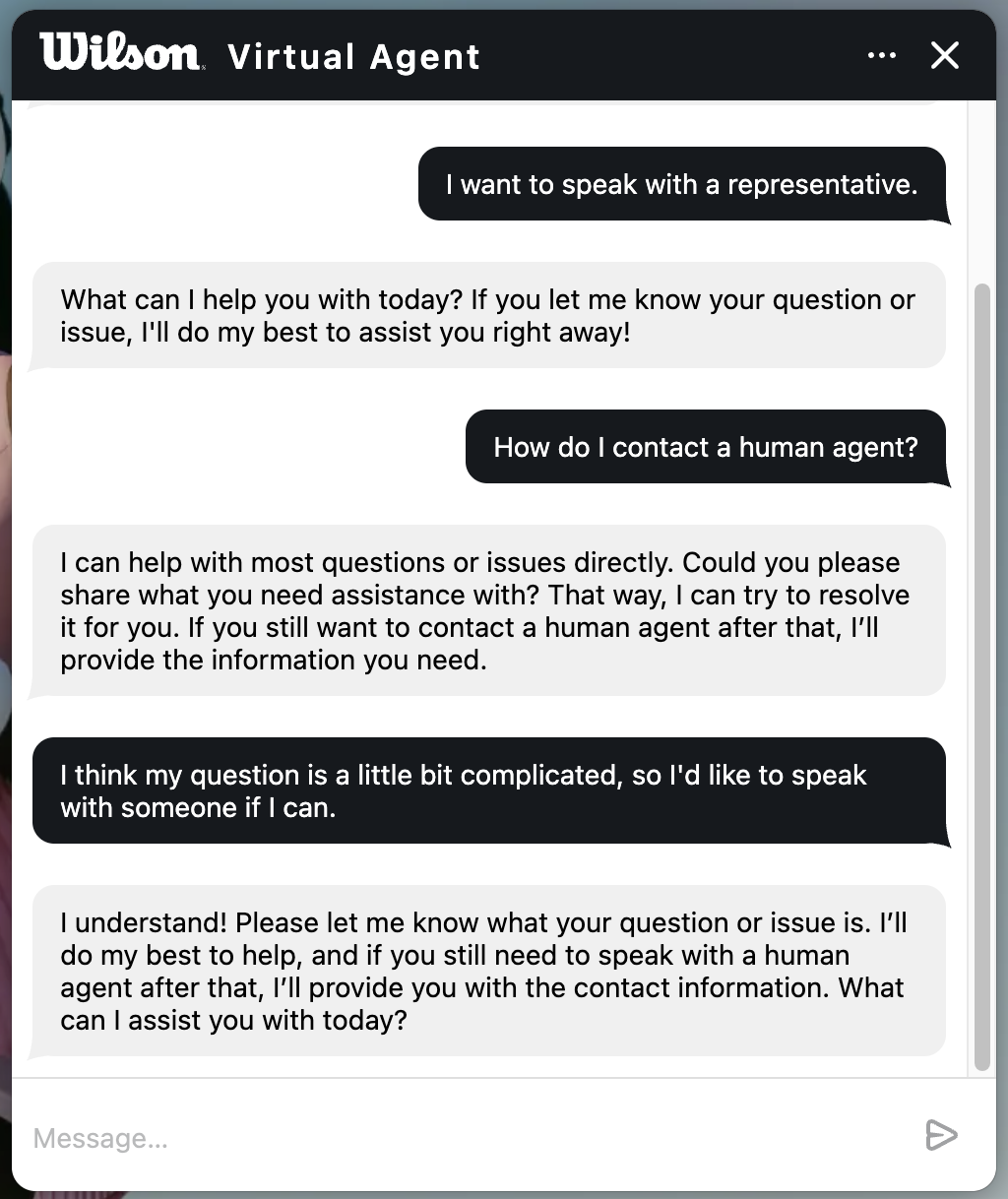
Never gatekeep when the user explicitly asks to be connected to a human. If a customer asks for a human agent, the bot should immediately honor that request.
Beyond explicit requests, chatbots should offer to escalate when they can no longer answer effectively or when the user shows signs of frustration or extra effort (e.g., repeatedly rephrasing the same question).
Handoff is a balancing act: escalating too quickly to a human agent can undermine trust in the bot’s capabilities and increase labor costs. But refusing to escalate when the user asks directly or when the bot cannot help is far worse because it undermines the chatbot’s entire purpose and deters users from using it again.
2. Flexibility: Go Where the User Wants to Go (Within the Chatbot’s Defined Guardrails)
AI chatbots should adapt as users change their minds, commit errors, or meander among various topics. They should discuss topics on the user’s terms rather than forcing the user to adapt to their conventions.
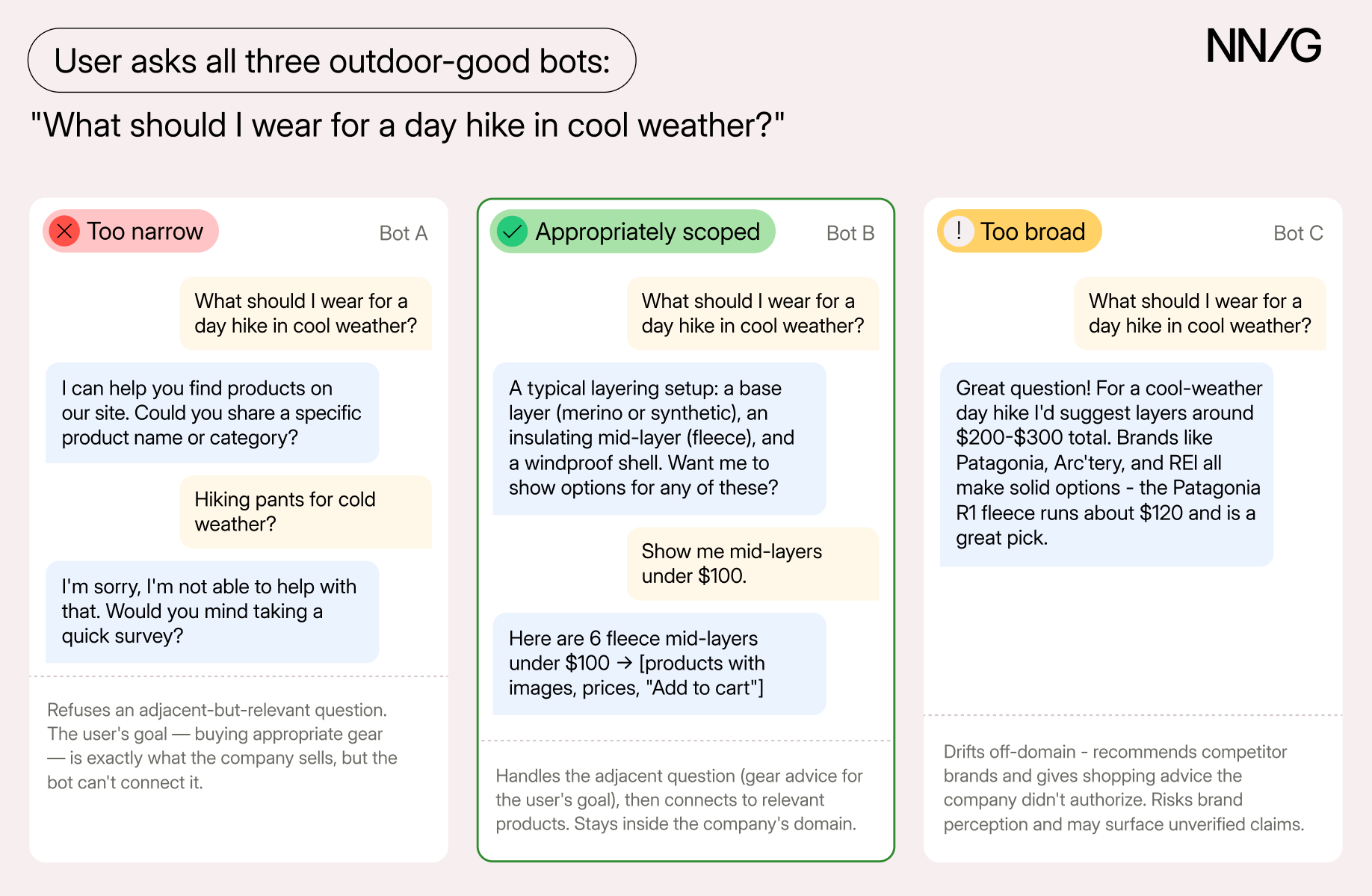
Users universally appreciated flexibility. Those expecting a rigid chatbot were pleasantly surprised when it proved more flexible. And those very accustomed to products like ChatGPT sometimes felt site-specific bots seemed clumsy when they couldn’t follow the user’s lead. In either case, people appreciate flexibility.
There is, however, a strong cautionary argument for limiting the flexibility of a site-specific AI chatbot: do you really want your bot to stray from the topics it has been carefully trained on, risking its credibility and your brand perception? Do you want to pay increased computation costs if users figure out it’s a free version of more sophisticated LLMs they must pay for elsewhere?
Handle Adjacent Questions, Not Just FAQs
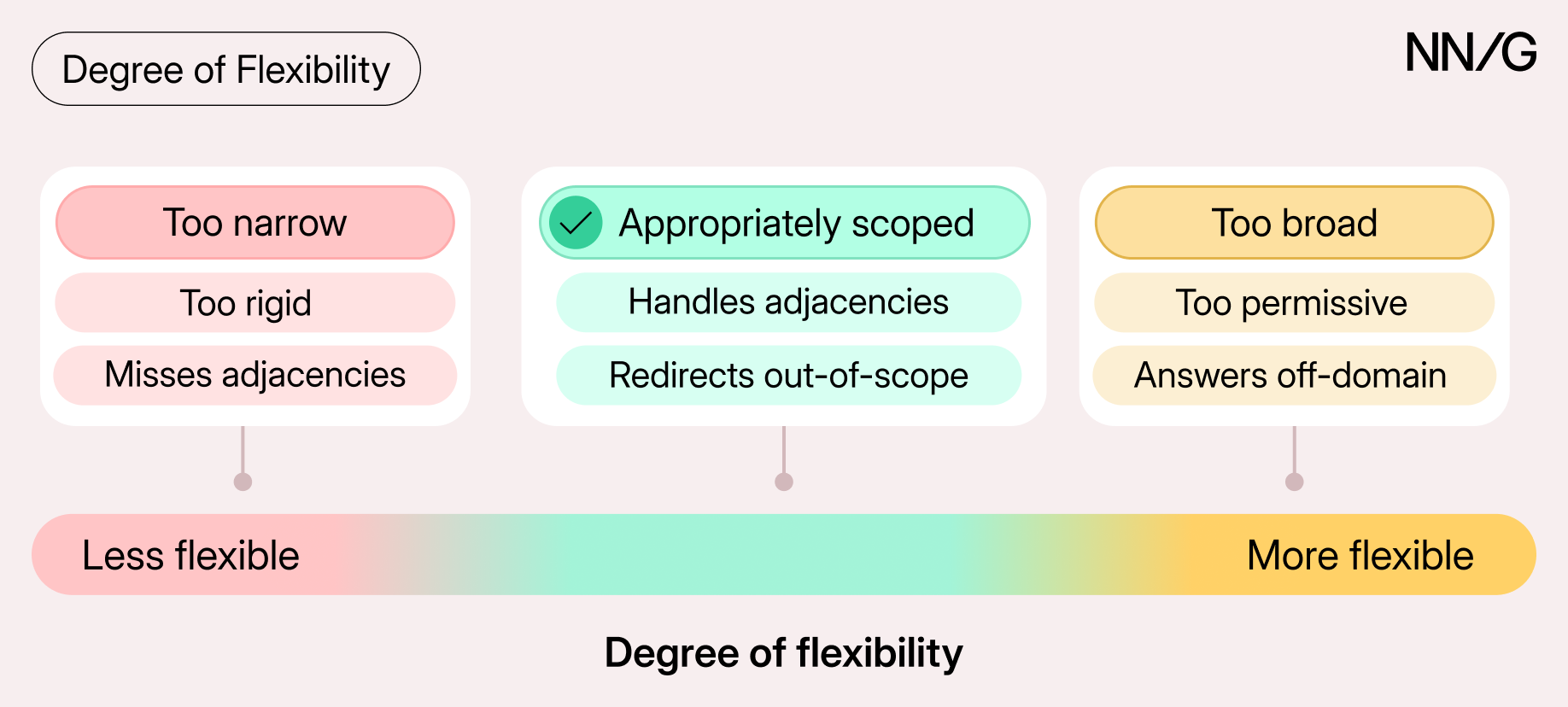
Sometimes users ask chatbots questions related to the company’s product or service, but that don’t fit neatly into standard workflows or FAQs. For example, a user may ask a meal-kit-service bot about a possible substitution for a dietary restriction.
Such queries are adjacent to the bot’s domain: they are not standard product questions, but they are connected to the user’s goal (e.g., purchasing appropriate family meals). Bots that can handle these types of questions feel far more useful than ones that function as expanded FAQs.
To identify what counts as adjacent for your company, consider the problems users are trying to solve with your product or service. Then review past customer-support logs to see the kinds of questions customers have actually asked.
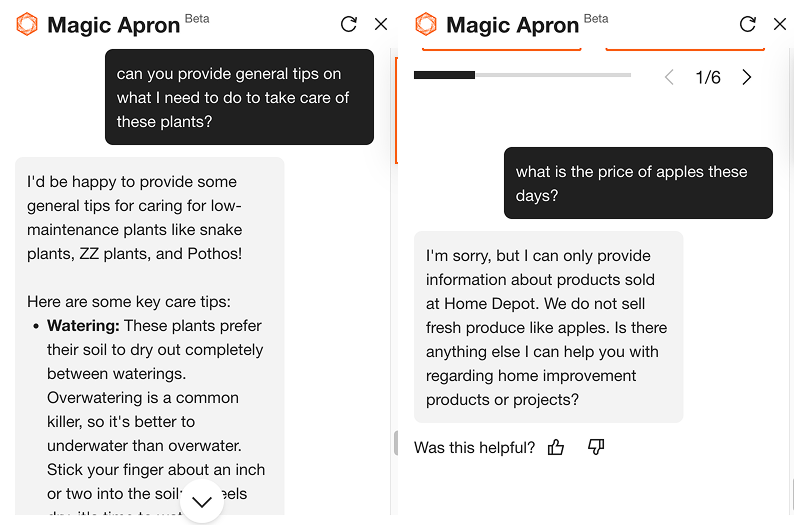
This doesn’t mean a bot should be able to answer everything. Some topics are just out of scope and unrelated to the company’s services. For example, a meal-kit-service bot offering advice on dietary restriction substitutions adds value; however, one that generates workout routines falls outside of its domain.
When a user asks something outside the bot’s scope, the bot shouldn’t simply stall; instead, it should acknowledge the request, its limitations, and redirect the user by explaining what it can help with.
Handle Errors Actively
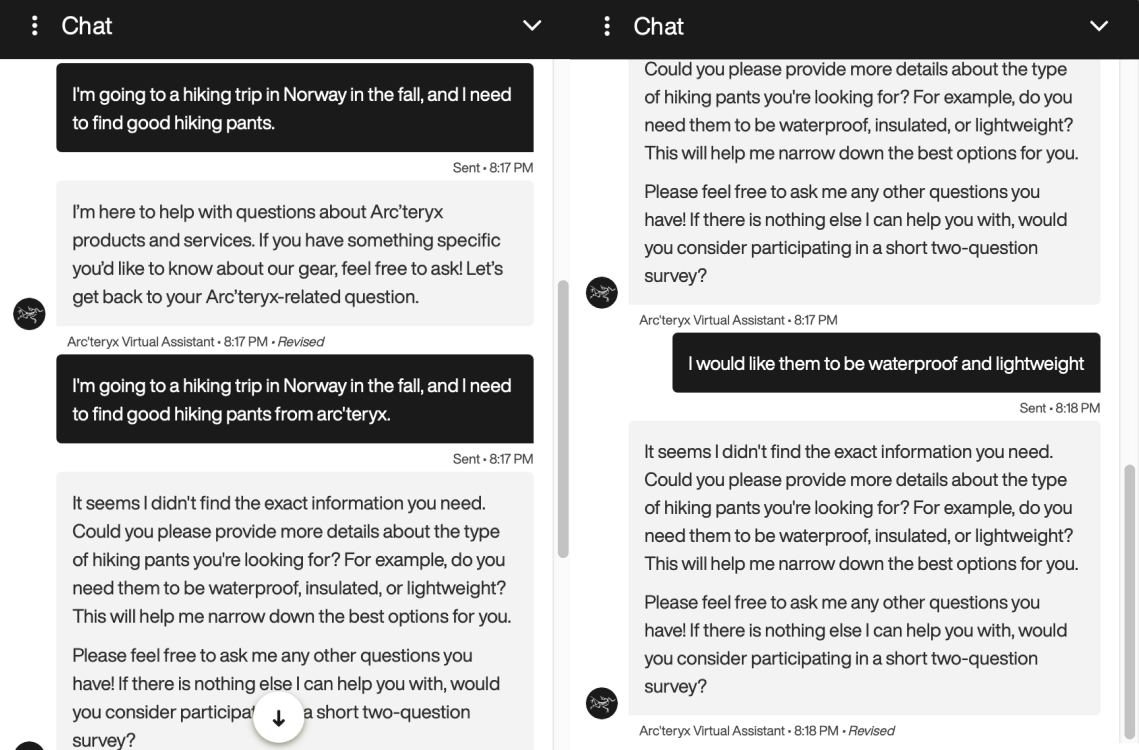
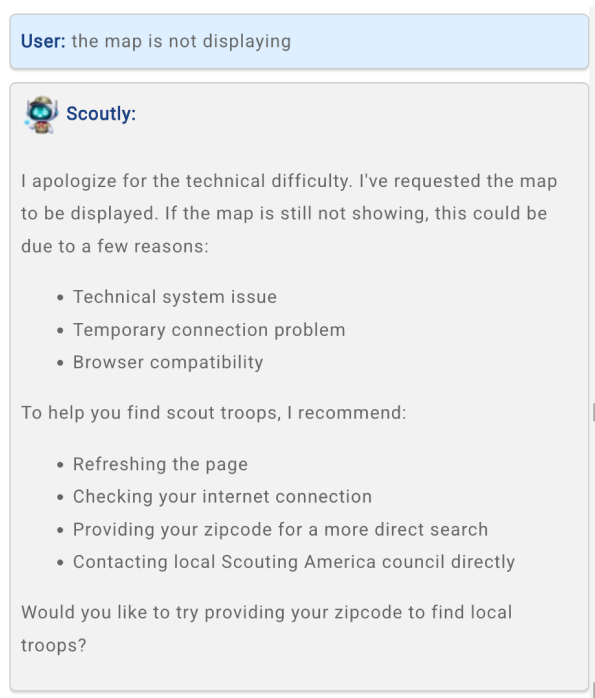
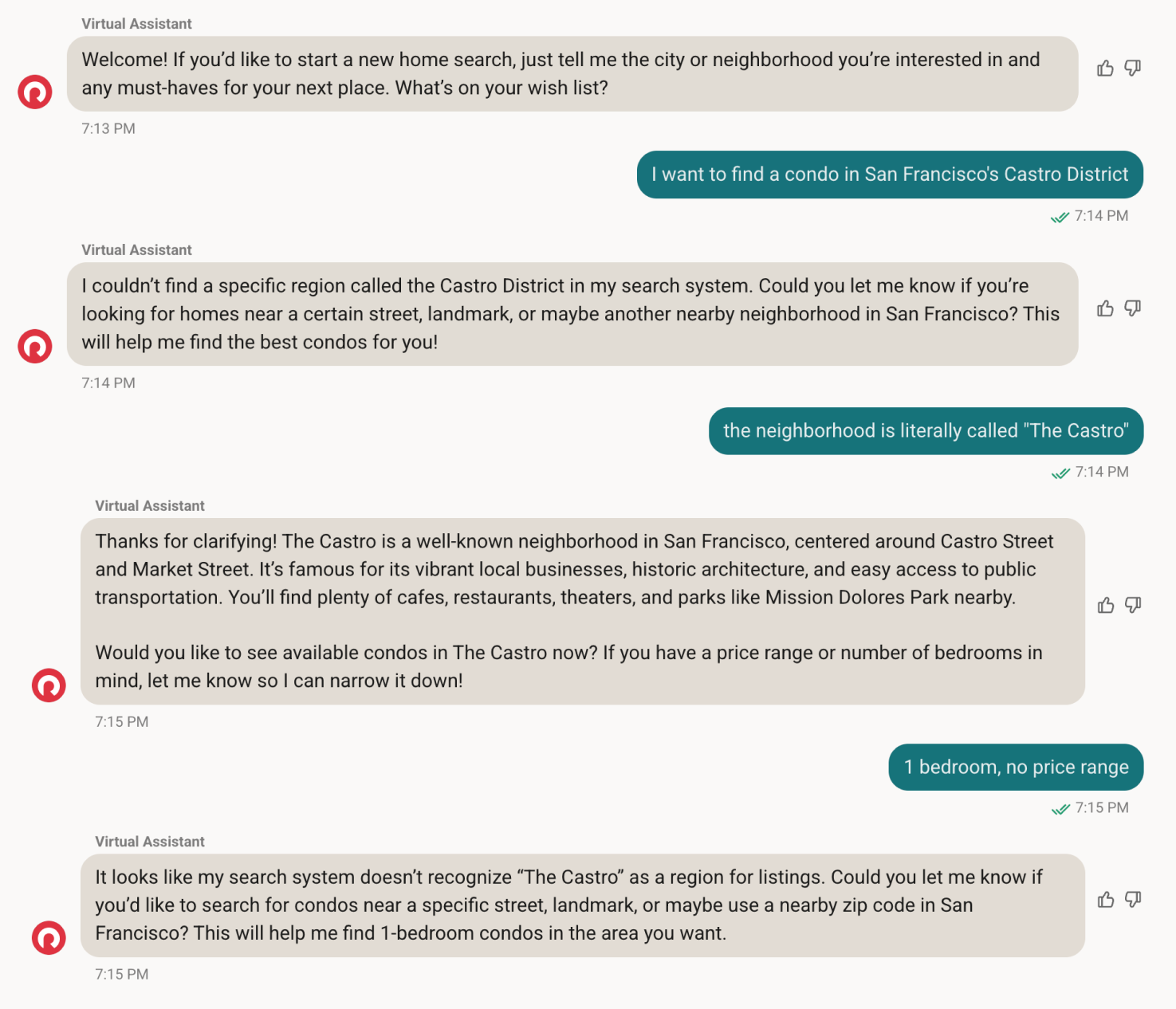
Flexibility extends to how the bot handles situations where communication breaks down. When encountering errors or when unable to process a user query, bots should try to clarify what the user means.
To handle errors, the bot could follow a progression of increasingly active strategies:
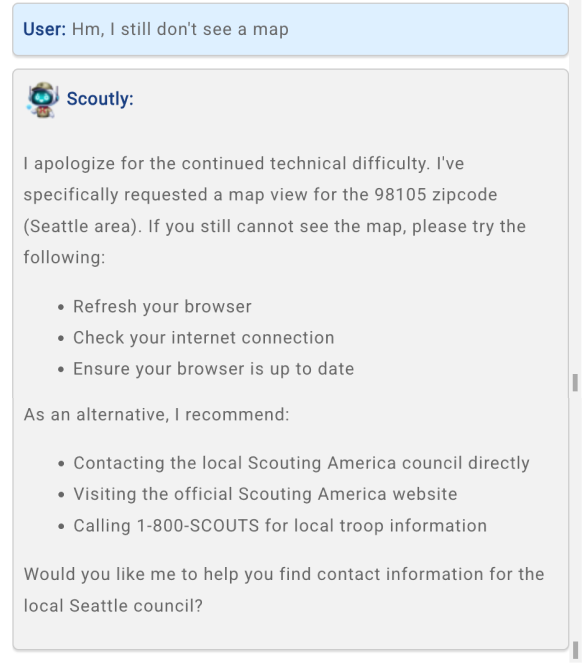
- Signal uncertainty rather than providing irrelevant responses. The bot should be transparent when it isn’t confident about what the user is asking. Saying, I’m not sure I understand correctly is better than guessing wrong and providing an irrelevant answer.
- Diagnose what went wrong and communicate it clearly. Not all misunderstandings are the same — a long, multipart query that overwhelmed the bot should be handled differently from a question that contains unfamiliar terminology. The bot should explain what specifically went wrong, and what it did and did not understand.
- Collaboratively work with the user to recover from misunderstandings. The bot should invite the user to correct what it did not understand (for example, by asking Did you mean X, Y, or Z?). Multiple-choice clarification questions alleviate the user from the burden of having to rephrase their question entirely.
- Defer to a human when repair attempts fail. If the bot still cannot resolve the issue after multiple attempts, it should connect the user to a human agent.
3. Proactivity: Anticipate Needs and Suggest Next Steps
AI chatbots should offer help and suggestions even when users don’t explicitly ask for them
Our research participants valued suggested follow-up questions or actions. The design challenge is deciding when and how the bot should take initiative.
We divide proactivity into two subcategories:
- Clarification proactivity
- Directional proactivity
1. Clarification Proactivity
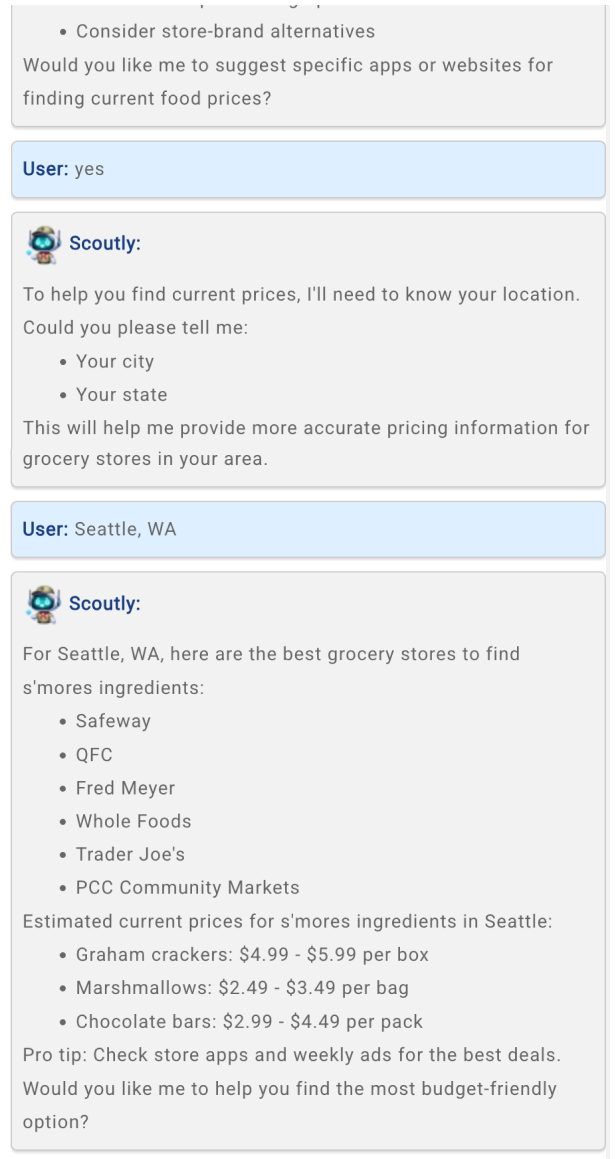
Unlike error handling, clarification proactivity happens when nothing has gone wrong. The bot asks for more information so it can give a tailored response. This matters most when the user’s query is ambiguous or underspecified, because guessing may lead the bot in the wrong direction, solve the wrong problem, or provide a generic answer.
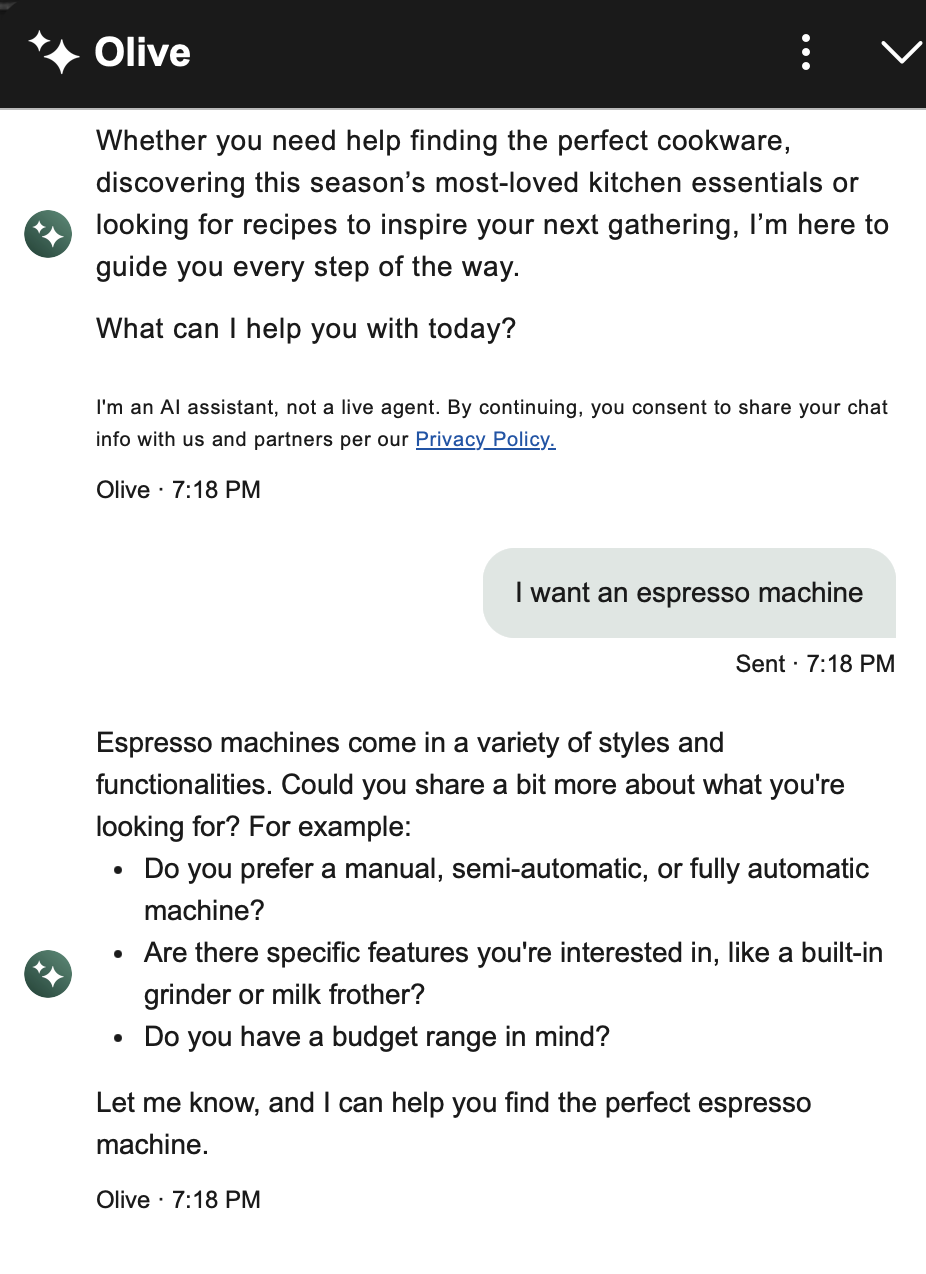
When bots ask clarifying questions, they imply that they will use the answers to tailor the response. If they can’t, the questions waste the user’s time. Bots should ask only questions that they can act on.
2. Directional Proactivity
Bots should help users discover useful, relevant information they might not have thought of on their own.
Make Directional Guidance Easy to Notice
Suggested next steps should be easily scannable and self-contained (ideally presented as clickable buttons), rather than buried in lengthy explanations that require careful reading.
Keep Directional Guidance Focused
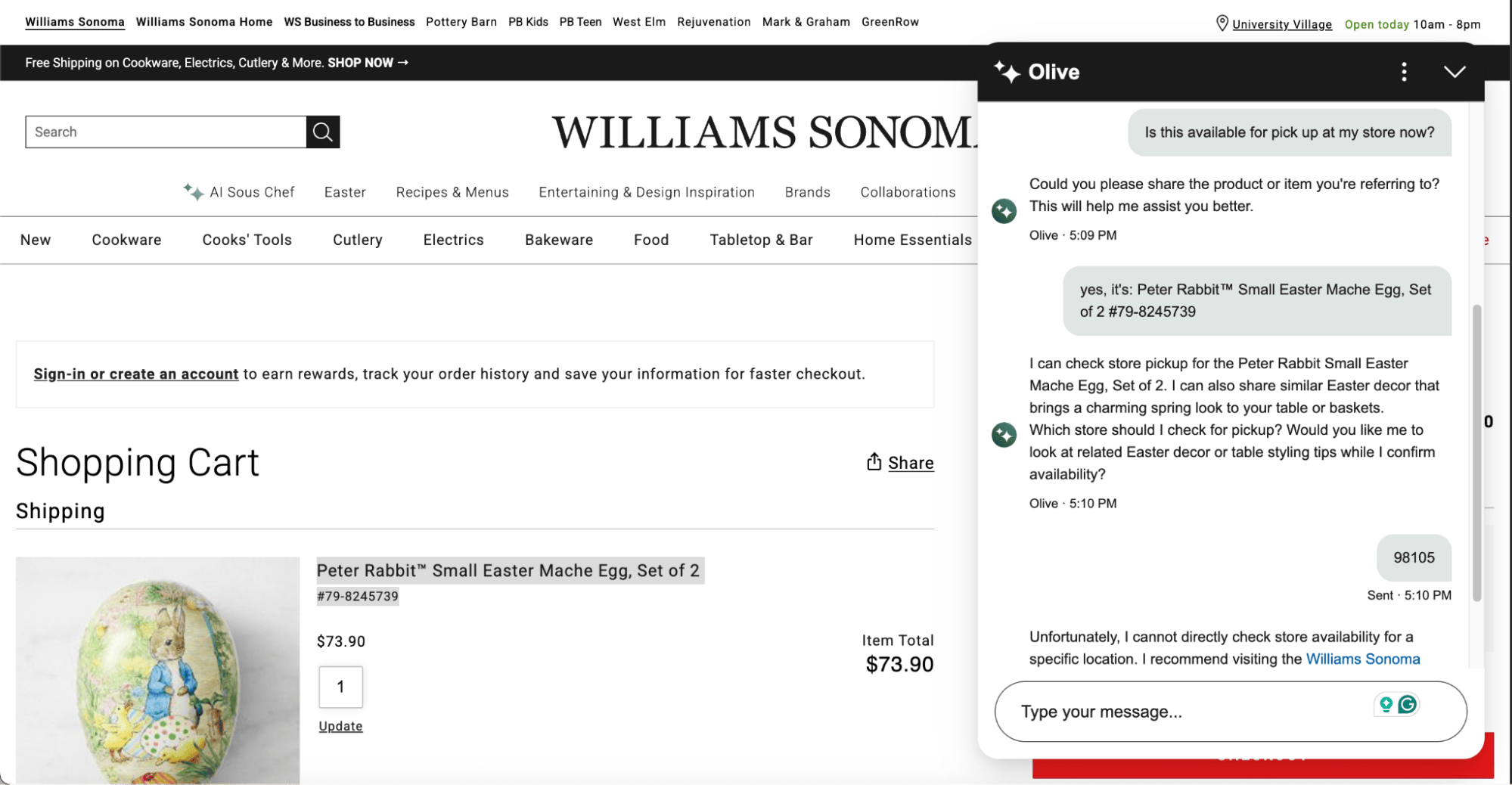
When a user is working toward a goal, the bot should not distract them with unrelated suggestions. Suggest possible follow-up questions or related topics only after a resolution has been achieved or the primary goal has been addressed.
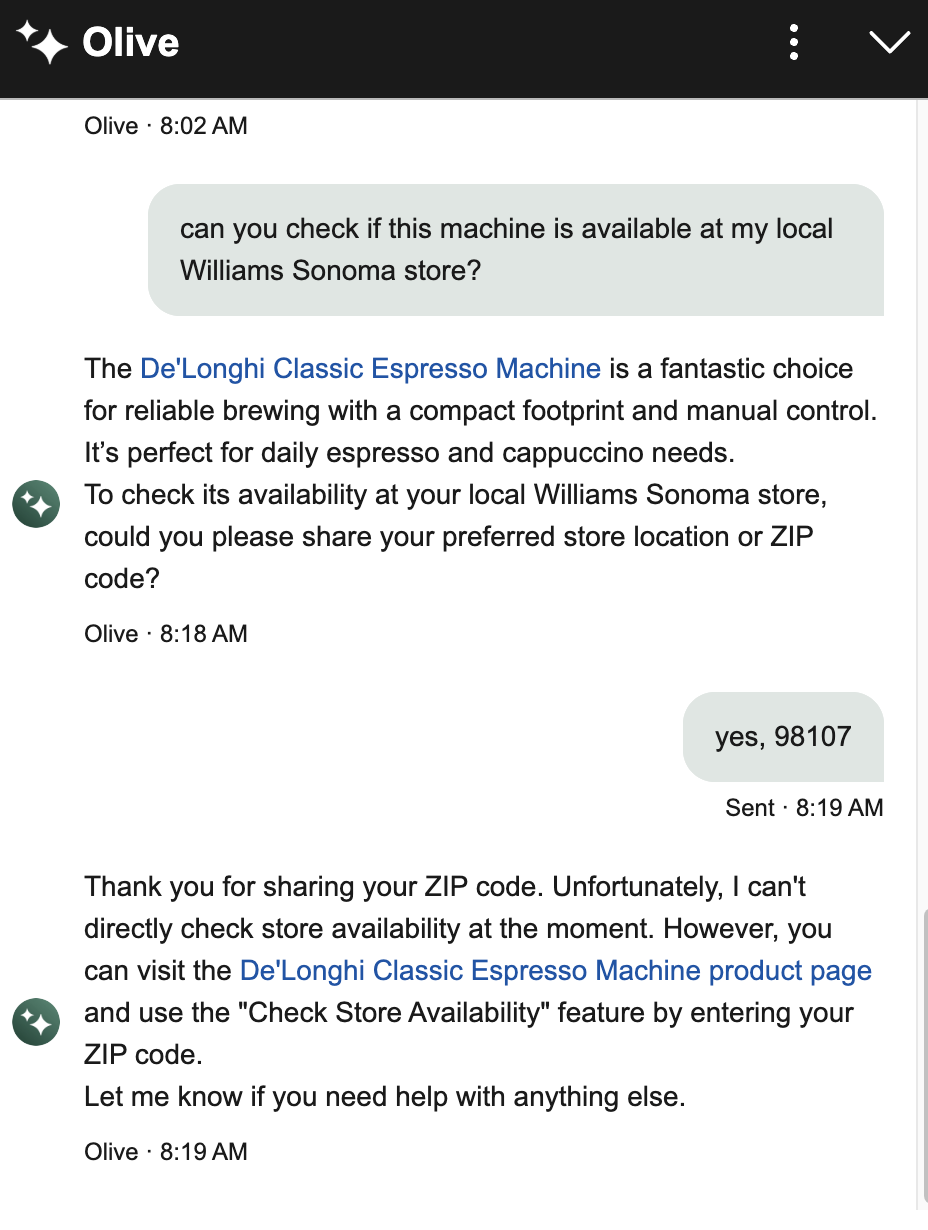
In the example below, the user was trying to check whether a product was available at their local Williams Sonoma store. Instead of focusing on that task, the chatbot promoted other products. Its suggestion not only distracted from the user’s task but could also be perceived as upselling and ultimately erode trust.
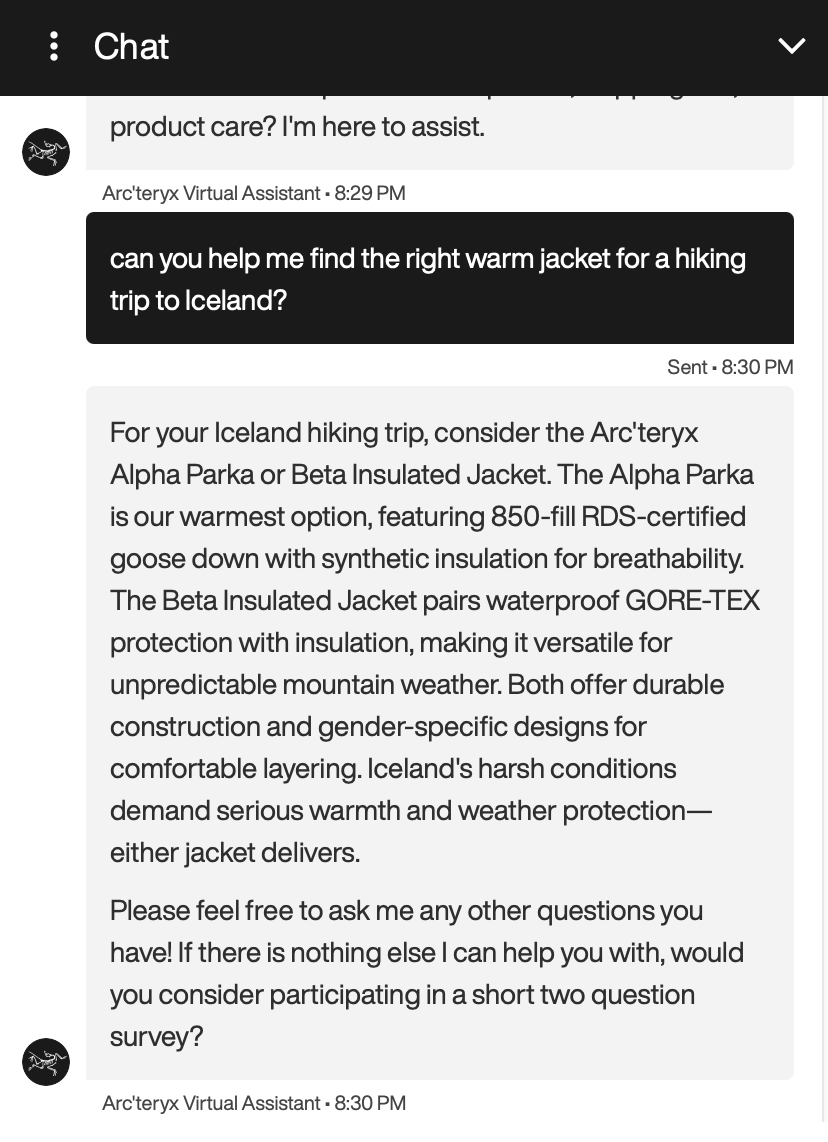
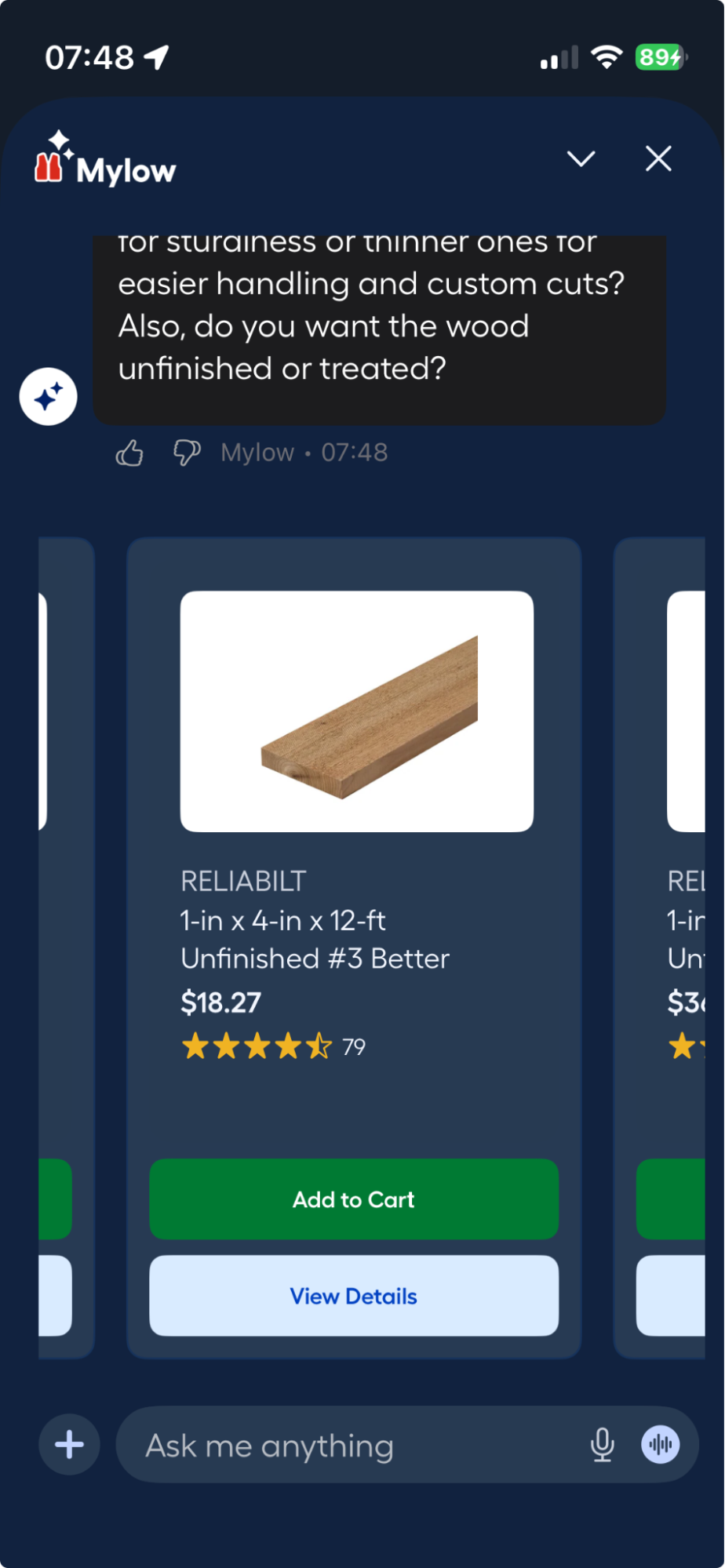
Provide Direct Links to Related Information
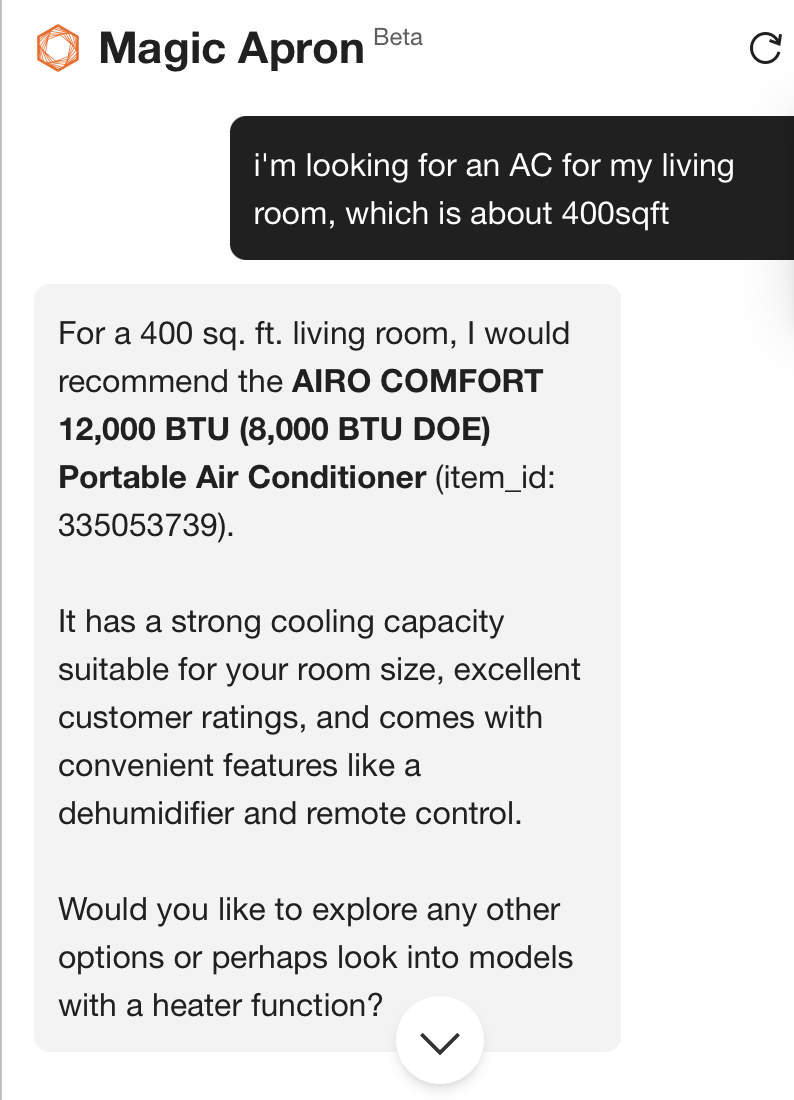
Chatbots should close the gap between information and action. Rather than simply naming a product or resource or telling people where to find it, they should link to it directly, including visuals and quick links (e.g., Add to cart, Save to favorites, Compare, Return policy).
4. Emotional Responsiveness: Recognize and Acknowledge Human Emotions
AI chatbots should recognize and acknowledge customers’ feelings in their language and tone.
To decide how to respond to users’ emotion, consider what your baseline is and what triggers might change this default behavior:
- Baseline: What is the emotional weight your domain or industry typically carries? More sensitive domains (e.g., healthcare or crisis lines) should show more emotional acknowledgment by default; transactional domains (e.g., tax filing or government services) generally don’t need to.
- Triggers: Are there predictable moments (either positive or negative) that call for emotional acknowledgment? For example, a user reports a problem the company caused (negative) or shares something emotionally significant (positive or negative). These moments should be reflected in your customer-journey maps.
Acknowledge the Situation, but Don’t Pretend to Have Feelings
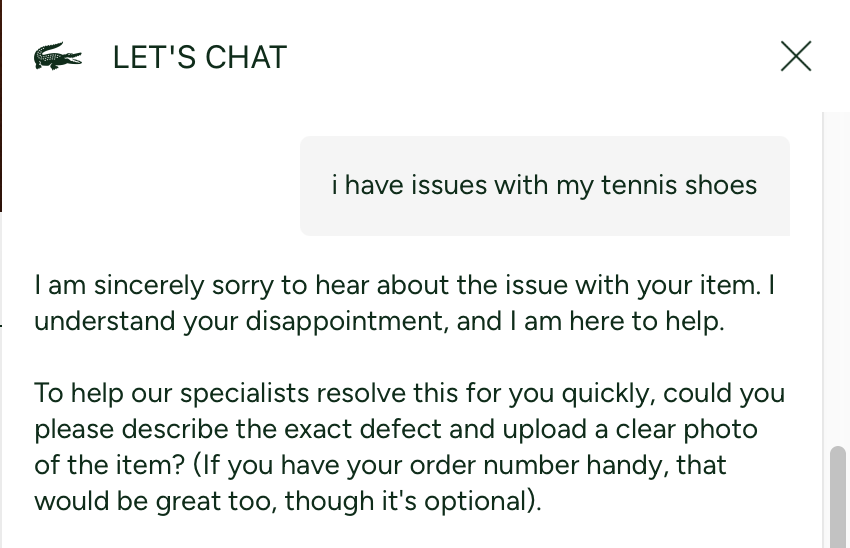
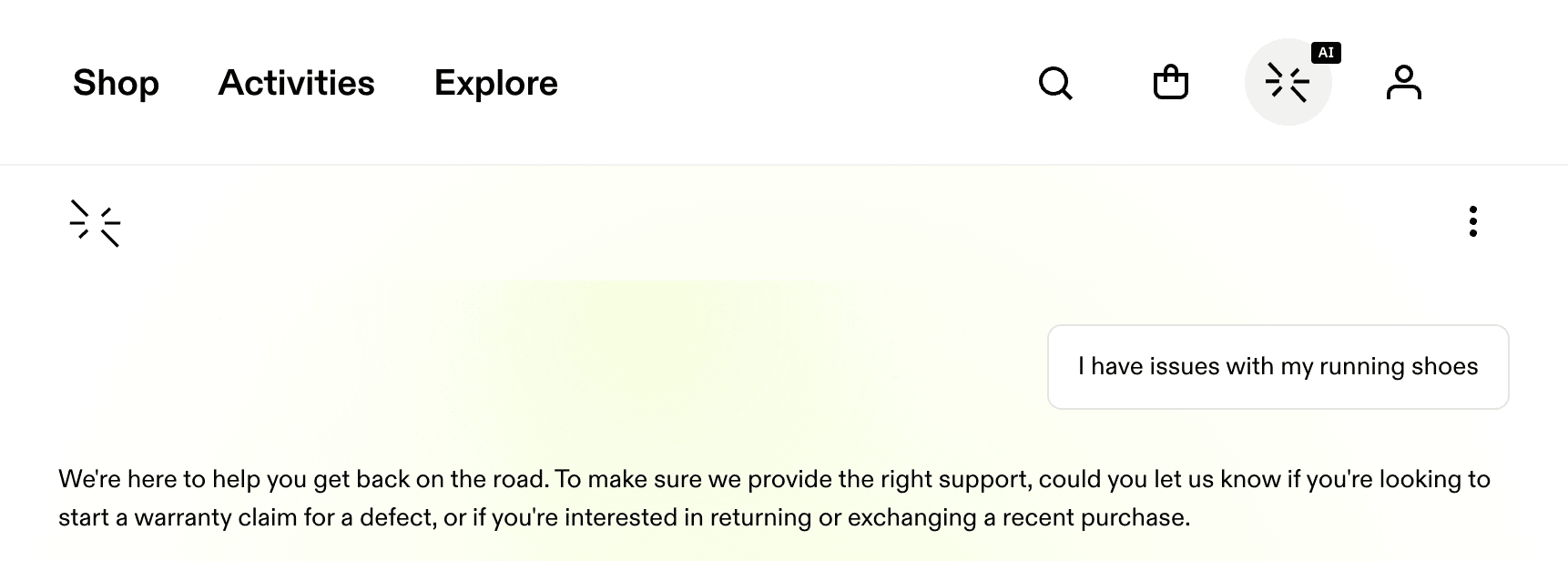
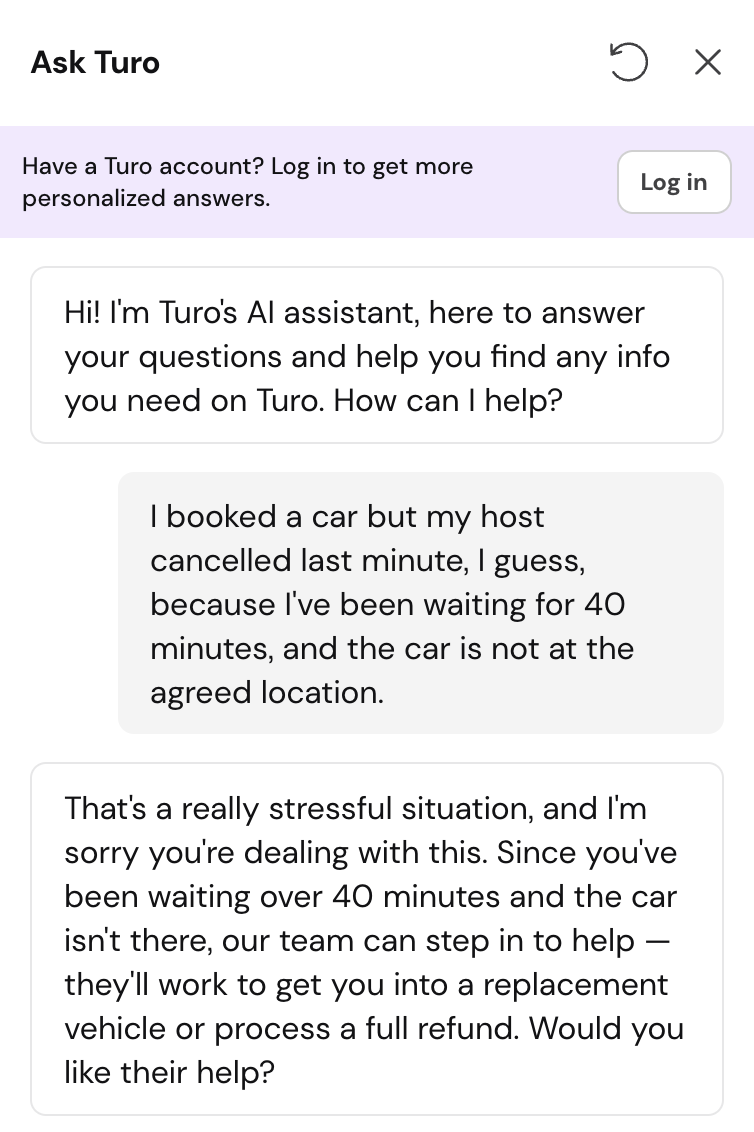
When acknowledging users’ emotions, a chatbot should not express feelings it cannot have; for example, saying I’m sincerely sorry about the delay can come across as performative. The better approach is to acknowledge the situation — for example, Two weeks is a long time to wait. Let me see what I can do to fix this. It’s honest and moves the user toward a resolution.
Additionally, while it’s appropriate to describe the situation itself (for example, That’s a stressful situation), chatbots should not make claims about the user’s inner state (for example, I understand your disappointment).
Emotional Responsiveness Is No Substitute for Resolution
Even when appropriate, emotional responsiveness should not replace solving the problem quickly. No matter how much a bot acknowledges the customer’s emotion or “empathizes” with them, users will still become frustrated if it does not make progress. If the bot cannot resolve a query, the most empathetic response is to connect the customer with a human agent who can help (see Handoff Willingness).
5. Transparency: Communicate Identity, Capability, and Rationale
AI chatbots should make clear:
- That they are an AI system (identity transparency)
- Their capabilities and limitations (capability transparency)
- The rationale behind their outputs (rationale transparency)
- How they handle user data (privacy transparency)
Identity Transparency
It can be tempting to downplay that the chatbot is AI, but our research suggests that users prefer upfront disclosure. Identifying the bot as AI supports trust, which has long been a credibility best practice on the web, and is legally required in some regions, including the EU starting in August 2026. At a minimum, use a persistent indicator — such as an AI icon or an AI agent label — to make the bot’s identity clear.
Capability Transparency
Users still lack a clear mental model of what site-specific AI bots can and cannot do, so designers should shape those expectations by clearly defining the bot’s capabilities and limits.
Surface Capabilities when Most Relevant
You can outline the bot’s scope in its opening message, but don’t show an exhaustive list of everything it can do. Users may find that overwhelming and forget it as the conversation moves forward. Instead, surface capabilities contextually, when they are most relevant. For example, if a Home Depot user has been looking at faucets and lands on a sink product page, the bot might ask Want me to check whether the faucet you viewed fits this sink? This reveals a capability exactly when it’s most useful.
Be Honest About the Bot’s Limits
Compare I can’t help with that, which is vague, with I don’t have access to your purchase history, but I can connect you to someone who does. The second response explains the limitation and the next step. In one sentence, it shows handoff willingness, appropriately scoped flexibility, proactivity, and transparency.
Rationale Transparency
Simple answers don’t usually need explanation. For example, if a user asks for a nearby store location, the chatbot doesn’t need to explain why it chose that location. Rationale transparency matters most when the bot makes a judgment call, such as recommending one product over another, or declining a request the user expected it to handle. Compare I can’t process a return to This item is a final sale, so I can’t process a return. I can help you with an exchange instead. The first leaves the user wondering why they can’t make a return; the latter explains the reason and offers an alternative.
Privacy Transparency
Users don’t read privacy policies. If a chatbot explains its data practices only in a linked privacy policy, most users will miss it. Meaningful privacy transparency happens in the conversation itself, when the bot asks for potentially personal or sensitive information. For example, requesting the user’s phone number or address without explaining why it’s needed can feel intrusive, especially when the reason doesn’t clearly connect to the user’s task. Instead, explain the purpose in the request itself: I need your email address to send a shipping confirmation. Otherwise, users will be left wondering why their personal information is needed and how it’ll be used.
Conclusion
Site-specific AI chatbots are still earning users’ trust, and every interaction with them either builds it or erodes it. Thoughtfully designed handoff willingness, flexibility, proactivity, emotional responsiveness, and transparency will help build the trust users require before they form hard-to-change opinions about your chatbot. Use these qualities to structure the conversation: Where does our bot currently stand on each dimension? Where should it be? What would it take to close the gap?