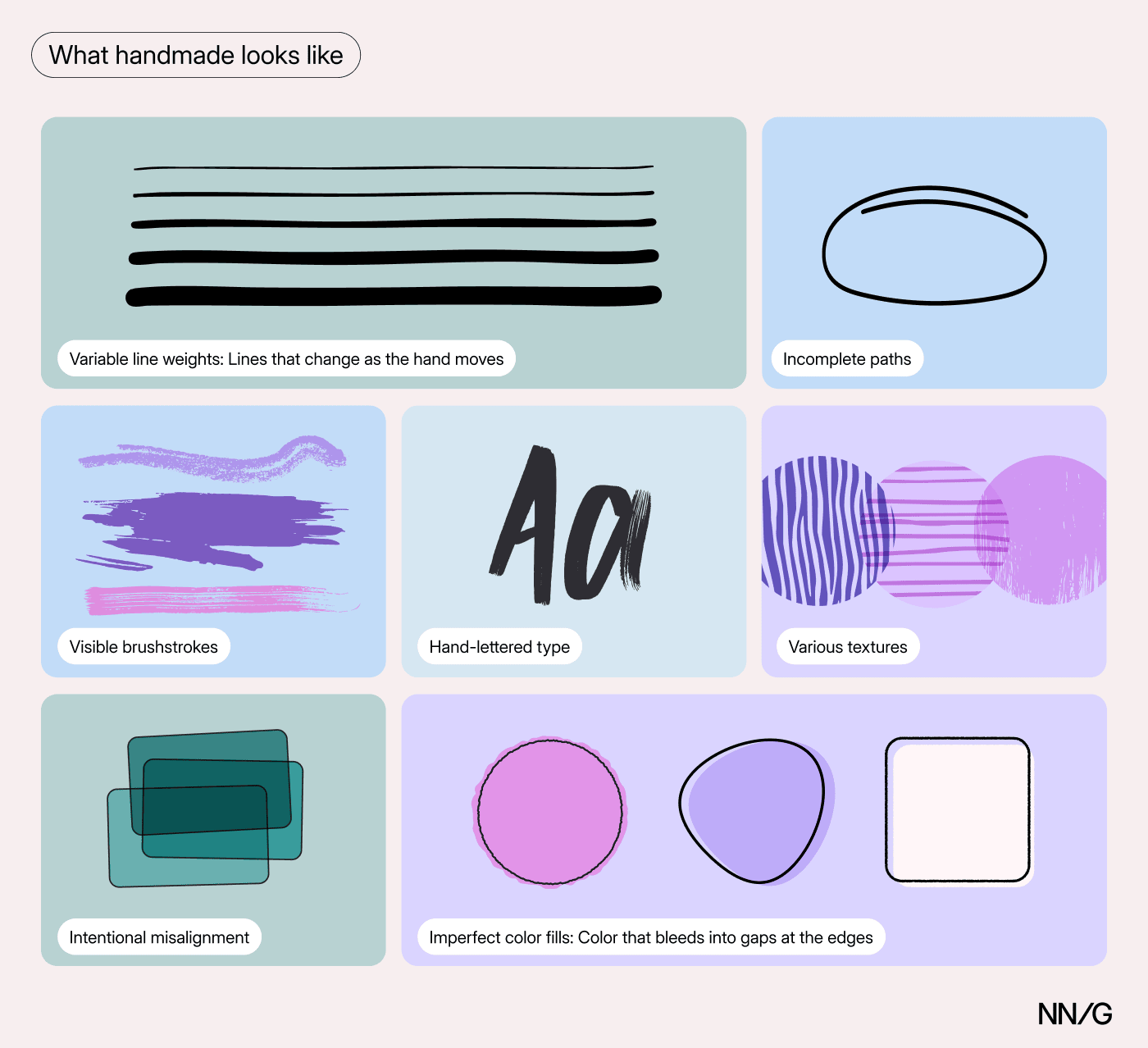
Summary: In an era of AI-generated-everything, AI-fatigued users want designs that look like they were made by a person. People are buying vinyl, dusting off their wired headphones, shooting on film, and opting for things that are slower. Digital fatigue and AI fatigue are changing what resonates, and audiences are gravitating towards designs that look handmade. The Shift… Continue reading Handmade Designs: The New Trust Signal
Category: Accessibility
Introduction to the new HTML element <geolocation>

There is a new HTML element called geolocation. I checked it out and here’s what I learned. The <geolocation> element The <geolocation> element provides a button that, when activated, prompts the user for permission to access their location. Originally, it was designed as a general <permission> element, but browser vendors indicated that implementing a “one-size-fits-all”… Continue reading Introduction to the new HTML element <geolocation>
Axe Platform now supports France’s RGAA accessibility standard

Listen to this article The Axe Platform now supports testing, remediation, and monitoring aligned to the Référentiel Général d’Amélioration de l’Accessibilité (RGAA), France’s official accessibility framework. With the European Accessibility Act (EAA) now in effect, digital accessibility requirements across the EU have matured, bringing new urgency and complexity. RGAA predates the EAA, and is now… Continue reading Axe Platform now supports France’s RGAA accessibility standard
Making an iOS E-Commerce Product List Accessible to VoiceOver and Beyond

The article about the Product Detail Page can be read here: Making an iOS E-Commerce Product Detail Page Accessible to VoiceOver and Beyond And the full webinar recording is available here: Webinar Developing and testing iOS Apps using a screen reader with Diogo Melo Product List Page: The Hidden Problems The PLP is built in… Continue reading Making an iOS E-Commerce Product List Accessible to VoiceOver and Beyond
How accessibility programs benefit from both manual and automated testing
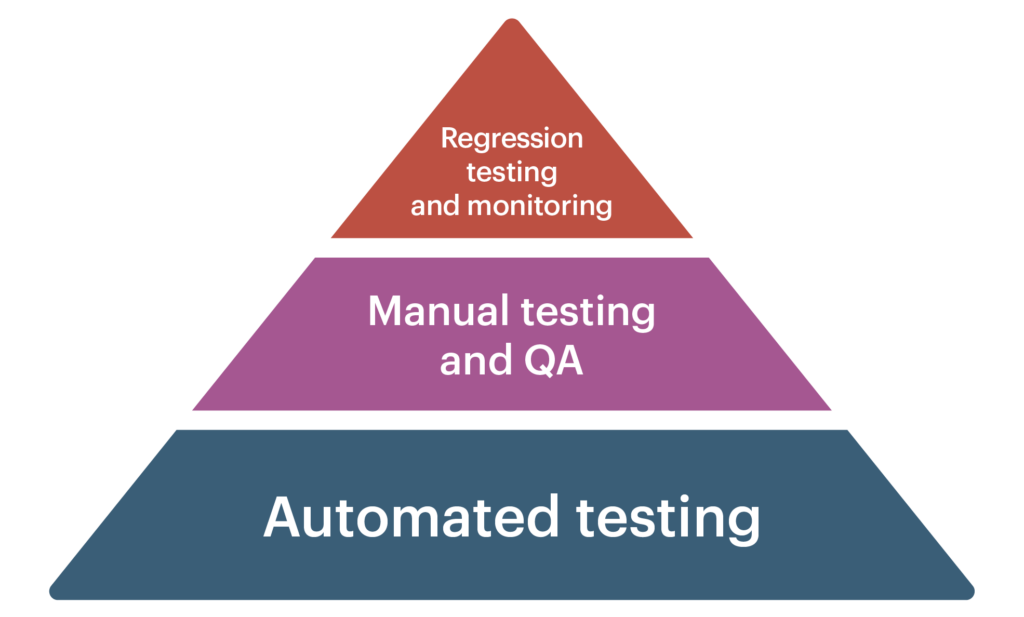
Listen to this article When your team is under pressure to move quickly, and you know you need to test for accessibility, automated testing can feel like the most efficient approach. In practice, however, accessibility testing requires both automated and manual testing. They serve different purposes, and both are necessary to determine whether an experience… Continue reading How accessibility programs benefit from both manual and automated testing
Axe DevTools for Web now includes Axe MCP Server for earlier fixes and faster delivery
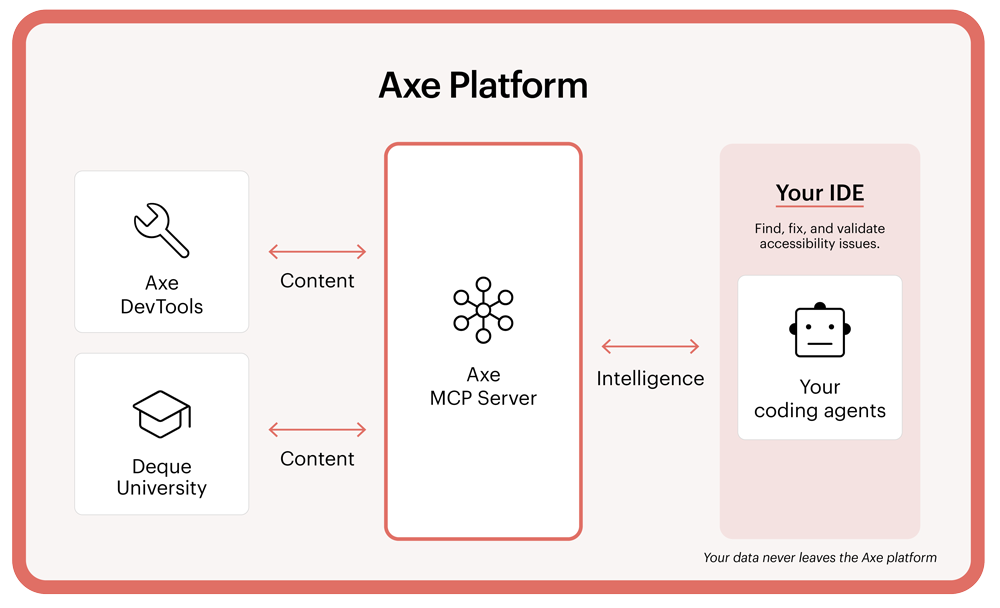
Listen to this article Axe MCP Server is now included in Deque’s Axe DevTools for Web bundle at no additional cost, giving our customers immediate access to AI-powered remediation capabilities. With Axe MCP Server, you can enhance development workflows and start fixing accessibility issues earlier, empowering your teams to move faster, minimize rework, and scale… Continue reading Axe DevTools for Web now includes Axe MCP Server for earlier fixes and faster delivery
Explainable AI in Chat Interfaces
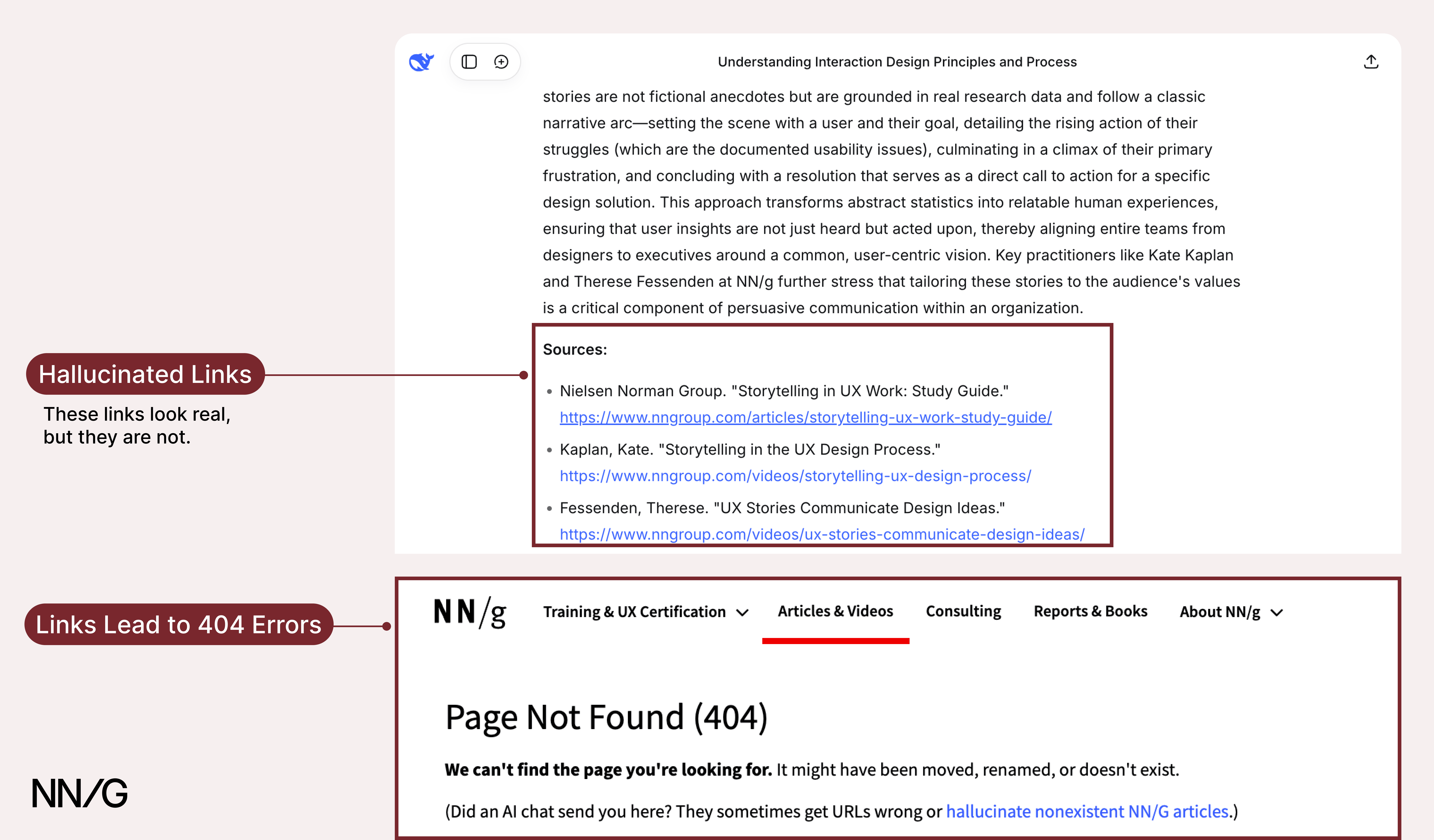
Summary: Explanation text in AI chat interfaces is intended to help users understand AI outputs, but current practices fall short of that goal. As AI chat interfaces become more popular, users increasingly rely on AI outputs to make decisions. Without explanations, AI systems are black boxes. Explaining to people how an AI system has reached… Continue reading Explainable AI in Chat Interfaces
Preety Kumar at Microsoft Ignite: How Accessibility is Shaping the Future of AI
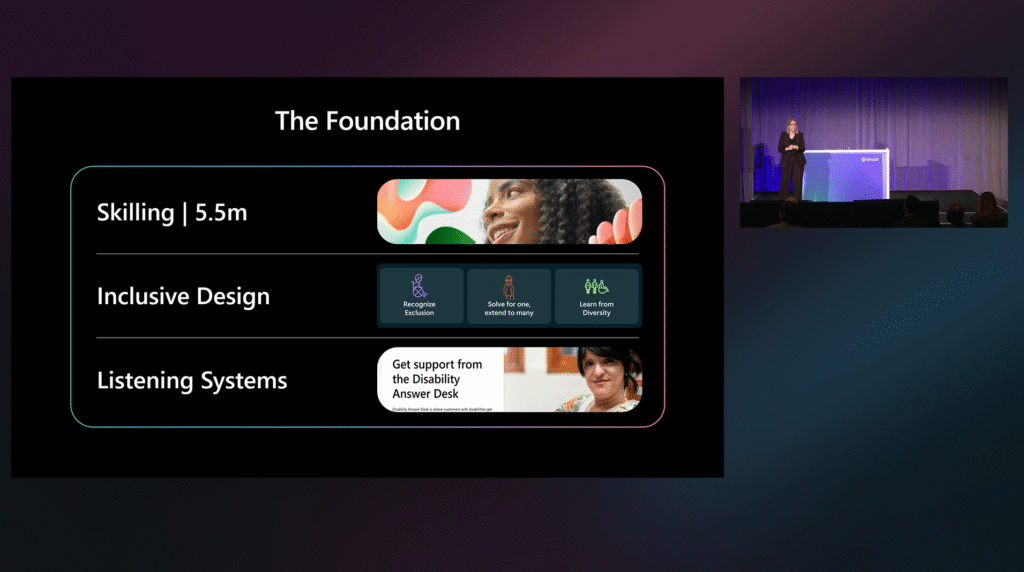
Deque founder and CEO Preety Kumar took the stage at Microsoft Ignite on November 18, joining Jenny Lay-Flurrie, Microsoft’s Chief Accessibility Officer, and Ed Summers, Head of Accessibility at GitHub, for a presentation titled “Building for Everyone: How Accessibility is Shaping the Future of AI.” Jenny got things started with a delightful welcome, immediately charming… Continue reading Preety Kumar at Microsoft Ignite: How Accessibility is Shaping the Future of AI
Designing Effective Contextual Menus: 10 Guidelines

Summary: Contextual menus reduce clutter and interaction cost but have low information scent. Prioritize clarity, consistency, and proximity to balance the tradeoffs. When used well, contextual menus help reduce visual noise, streamline layouts, and support focused interaction. But when used inconsistently, or when mislabeled, misplaced, or overloaded, they introduce confusion and can slow users down.… Continue reading Designing Effective Contextual Menus: 10 Guidelines
Ads and accessibility mismatch

Examples when it does not work Contrast issues Contrast issues affect all users and impacts users with vision loss most. It puzzles me that companies paying for ads do not think of visibility since they pay for creators the work and for the placement. This is too common on bus-ads where you have so little… Continue reading Ads and accessibility mismatch
Axe-con 2026: Full agenda reveal!

When it comes to the most exciting digital accessibility event of the year, there’s no better time to start planning than right now, because we’re revealing the full agenda today. If you thought last year’s event was amazing, wait until you see what we’ve got in store for you in 2026! We’ve already announced Dr.… Continue reading Axe-con 2026: Full agenda reveal!
UX Conference February Announced (Feb 4 – Feb 12)
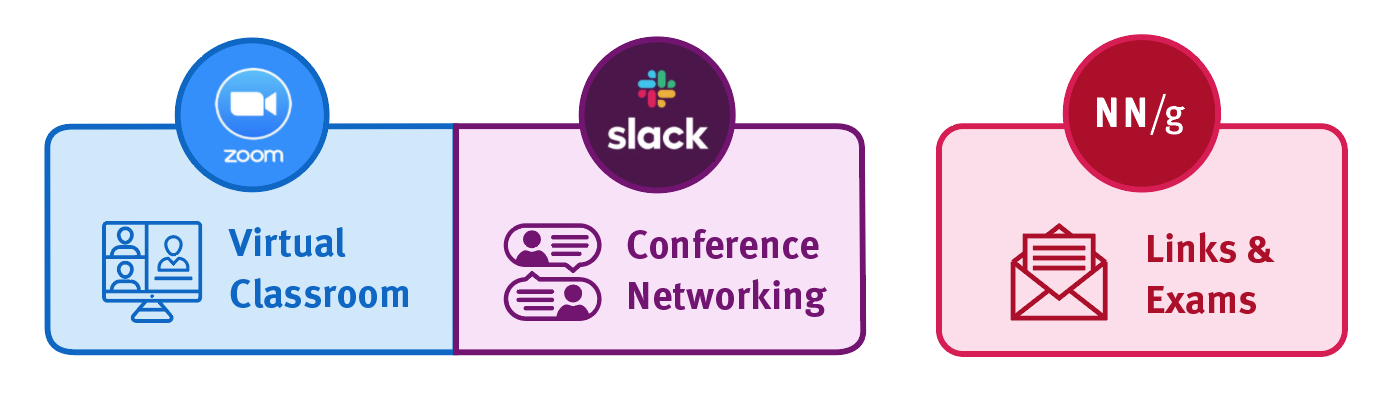
How will the Virtual Event work? Meetings will take place using the video conferencing tool Zoom, collaboration tools (such as group document editing and whiteboarding tools), and the social discussion tool Slack. You’ll also be able to use Slack before, during, and after the event to participate in social events and network with other… Continue reading UX Conference February Announced (Feb 4 – Feb 12)
Insights Aren’t Outcomes: Research Recommendation Breakage
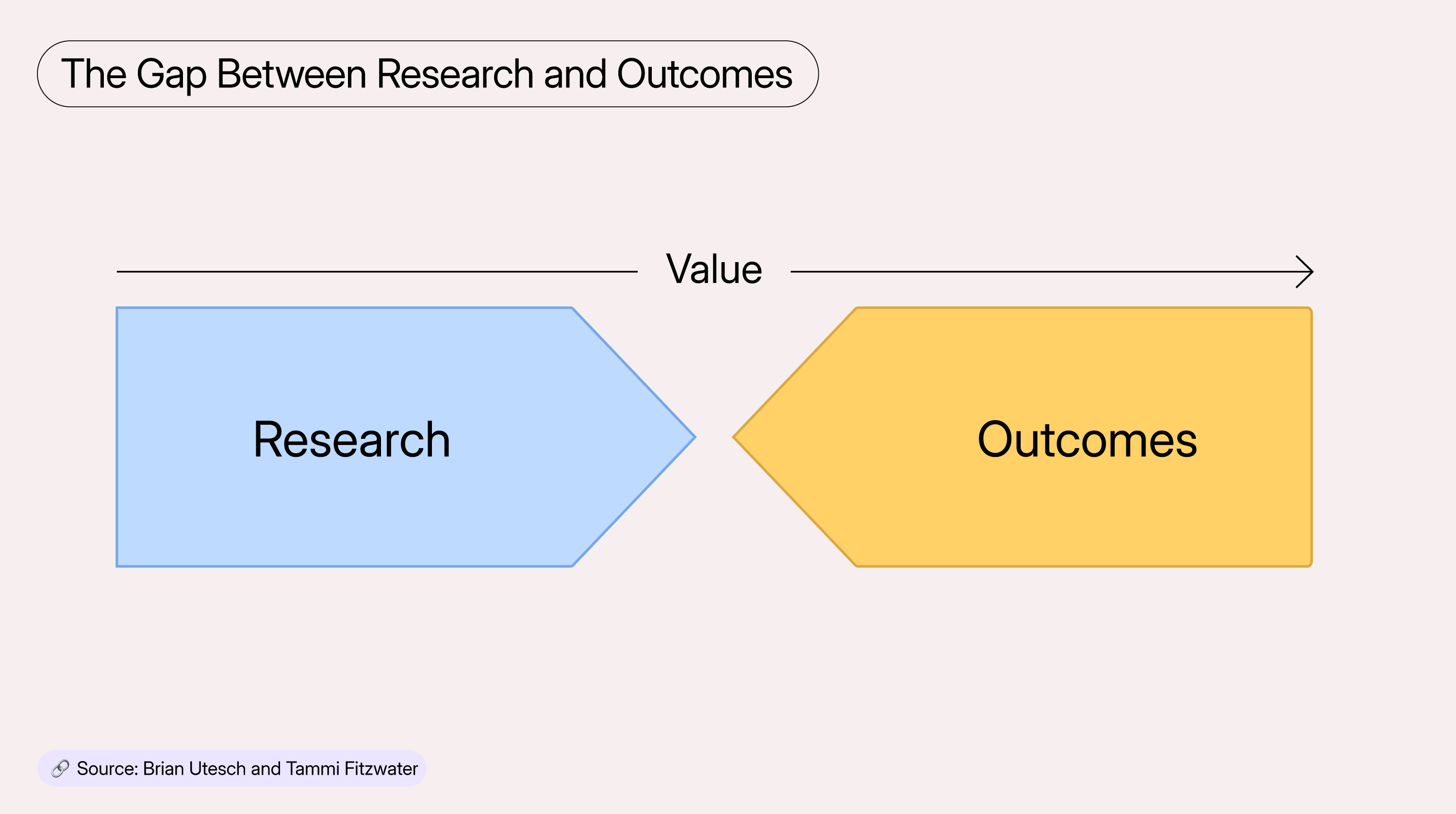
Summary: Research recommendations often fail to reach users. Without tracking adoption, teams rely on hope instead of evidence to confirm their work creates change. Many research teams do good work. They identify the right problems, recruit the right participants, and run studies that reveal what is really going on. The end product is often packaged… Continue reading Insights Aren’t Outcomes: Research Recommendation Breakage
UX Conference January Announced (Jan 20 – Jan 29)
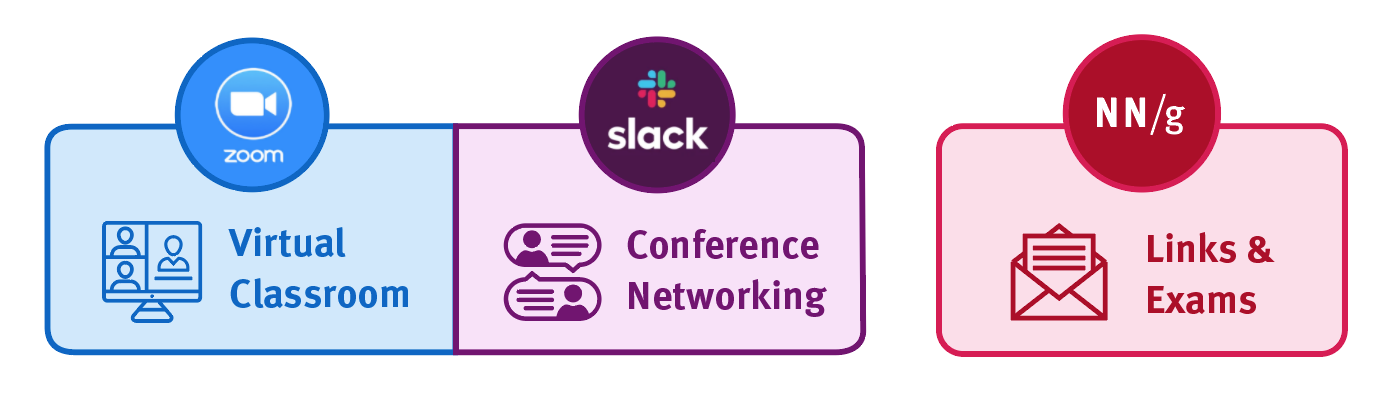
How will the Virtual Event work? Meetings will take place using the video conferencing tool Zoom, collaboration tools (such as group document editing and whiteboarding tools), and the social discussion tool Slack. You’ll also be able to use Slack before, during, and after the event to participate in social events and network with other… Continue reading UX Conference January Announced (Jan 20 – Jan 29)
Google AI Mode: Powerful Search, Poor Usability
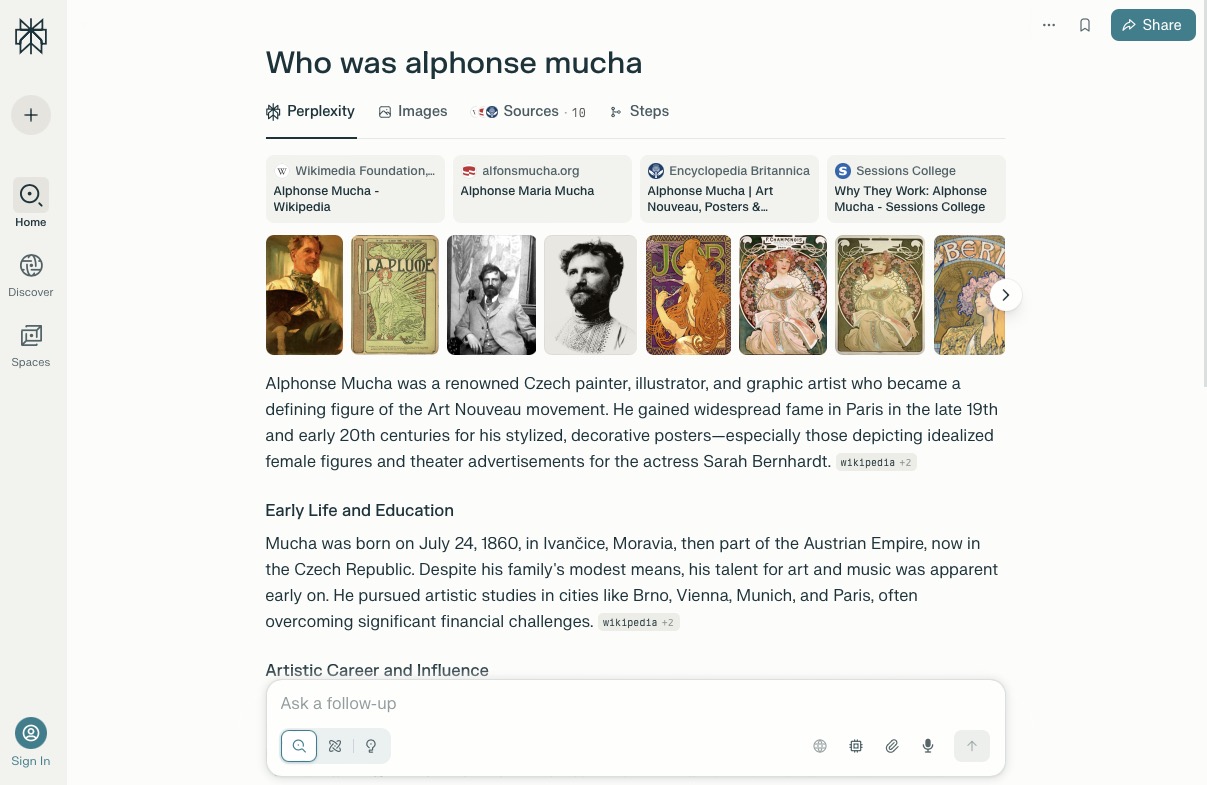
Summary: Google’s new AI Mode provides a new way to search the web but is hampered by discoverability and navigation issues — especially for AI novices. What Is Google AI Mode? Google AI Mode is a new feature of the search engine that combines the breadth of a web search with the reasoning power of… Continue reading Google AI Mode: Powerful Search, Poor Usability
Stop Misrecruits: Add Foils to Your Screener
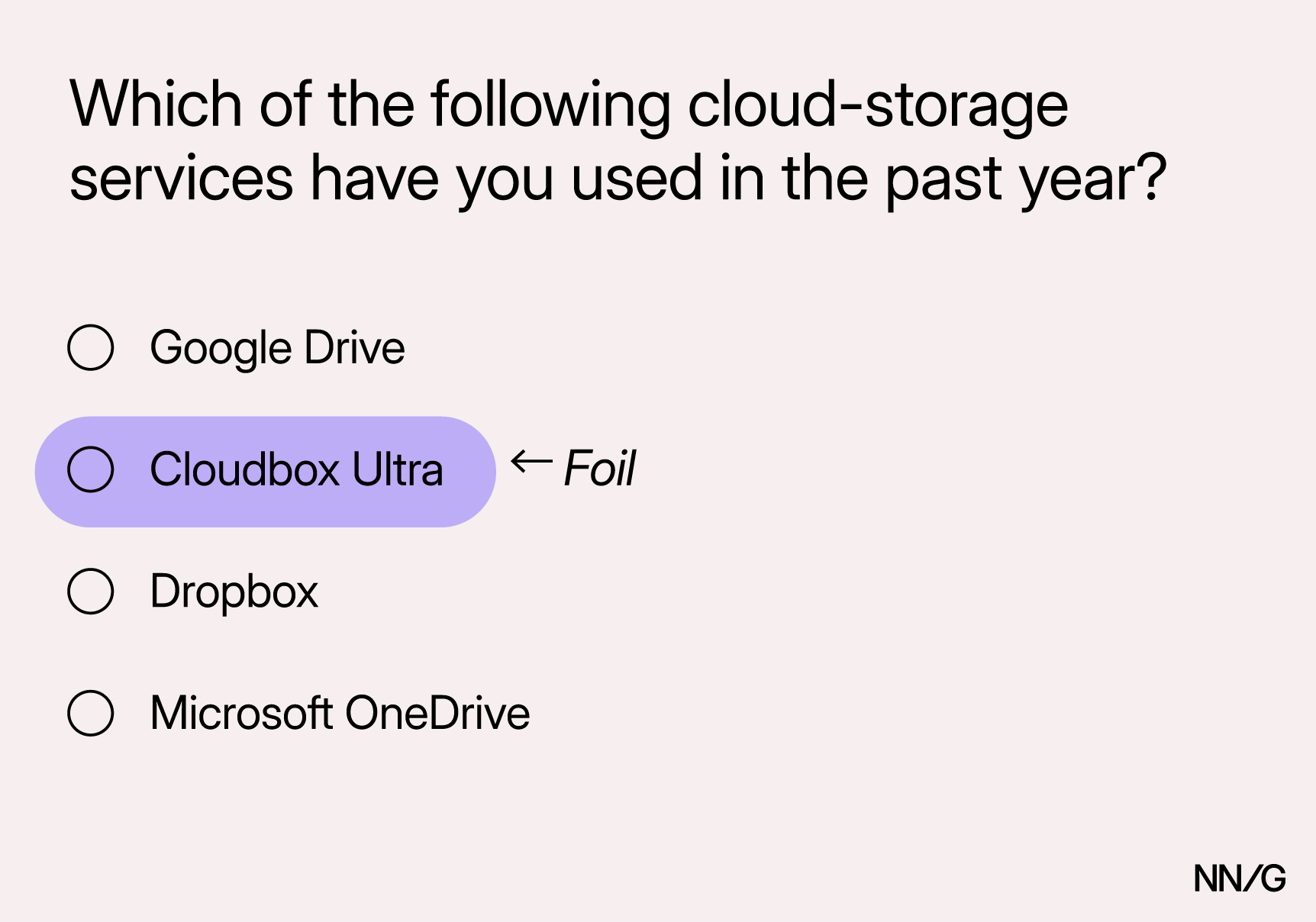
Summary: Foils are fake (but plausible) options in screeners that catch inattentive or dishonest participants, protecting data quality and saving time. Even the most carefully designed screener can let the wrong participants slip into their study. You may discover halfway through a usability test that someone clearly doesn’t match your target audience – leaving you… Continue reading Stop Misrecruits: Add Foils to Your Screener
The global community is coming together to accelerate digital accessibility at axe-con 2026!

What happens when you combine the passion, experience, and expertise of accessibility practitioners across the globe with world-changing regulatory momentum and transformative breakthroughs in technology? The answer is: Progress! What we are experiencing in this new era is unlike anything we’ve ever witnessed. Today, we have the power, the opportunity, and the technology to accelerate… Continue reading The global community is coming together to accelerate digital accessibility at axe-con 2026!
Prioritize Smarts over Sentience to Increase Trust with AI
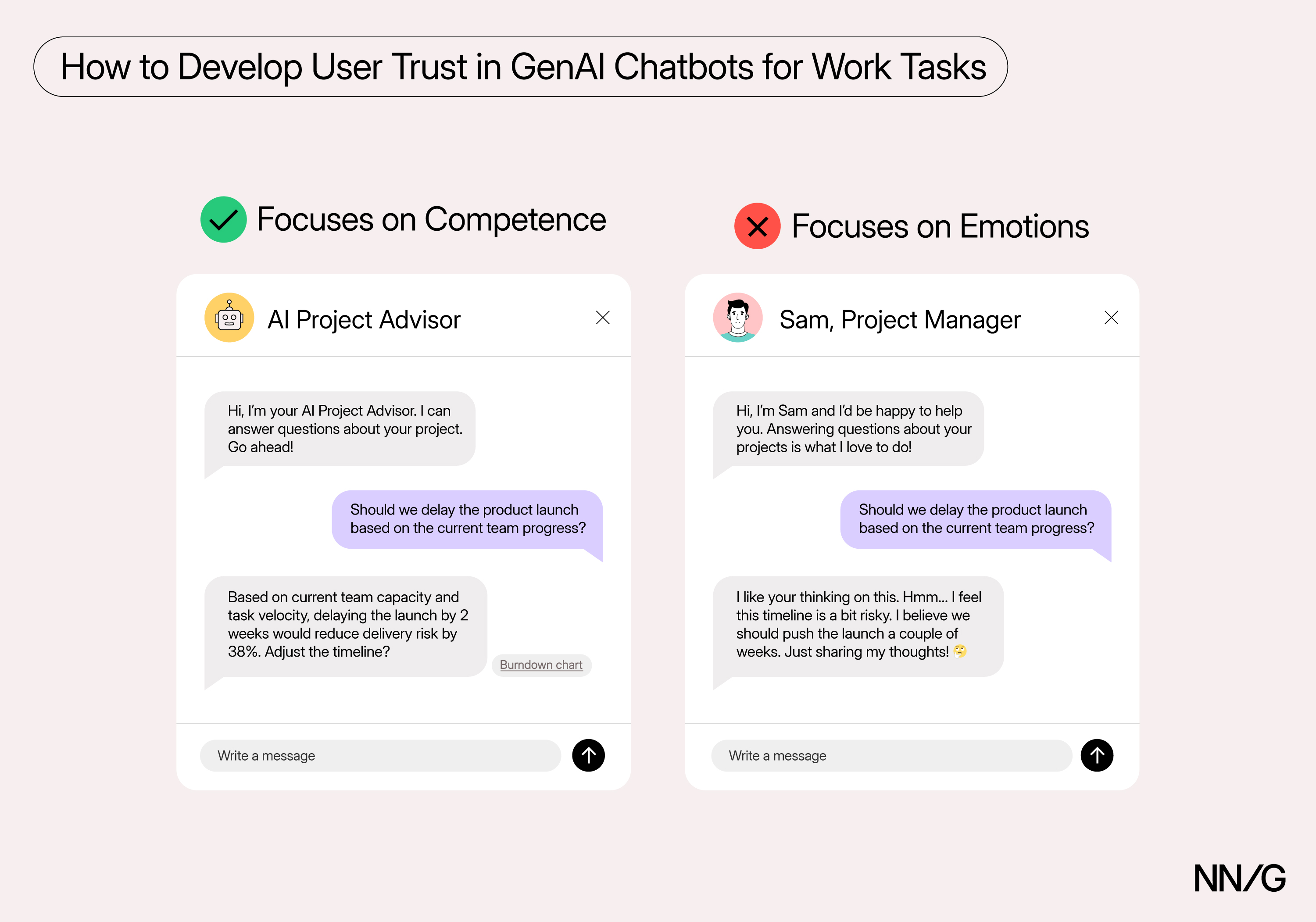
Summary: People trust AI more when it seems smarter rather than sentient. AI emotions can reduce trust in factual, task-oriented work and reduce AI reliability. A common concern from attendees of our Designing AI Experiences course is how to help users develop trust with artificial intelligence (AI). One technique that designers are frequently tempted to… Continue reading Prioritize Smarts over Sentience to Increase Trust with AI
A Millennial’s DVD Collection: I’m Returning to Physical Discs

Summary: Frustrating streaming apps and smart TV design pushed at least one user (me) back to physical discs for reliability, ownership, and simpler choices. I remember when the first digital-streaming service (Netflix’s) became available. It was such a massive improvement on the user experience of watching a movie — no need to go to a… Continue reading A Millennial’s DVD Collection: I’m Returning to Physical Discs
You need to get started on ADA Title II compliance now: How to strategize funding, slash risk, and ensure ROI
Title II of the Americans with Disabilities Act (ADA) prohibits discrimination against individuals with disabilities by state and local governments, and the ADA Title II compliance clock is ticking. Do you have enough budget set aside? For large entities with populations of 50,000 or more, the deadline is less than nine months away. Fortunately, even… Continue reading You need to get started on ADA Title II compliance now: How to strategize funding, slash risk, and ensure ROI
How to eliminate costly rework and fix accessibility issues early with expert guidance from axe Assistant
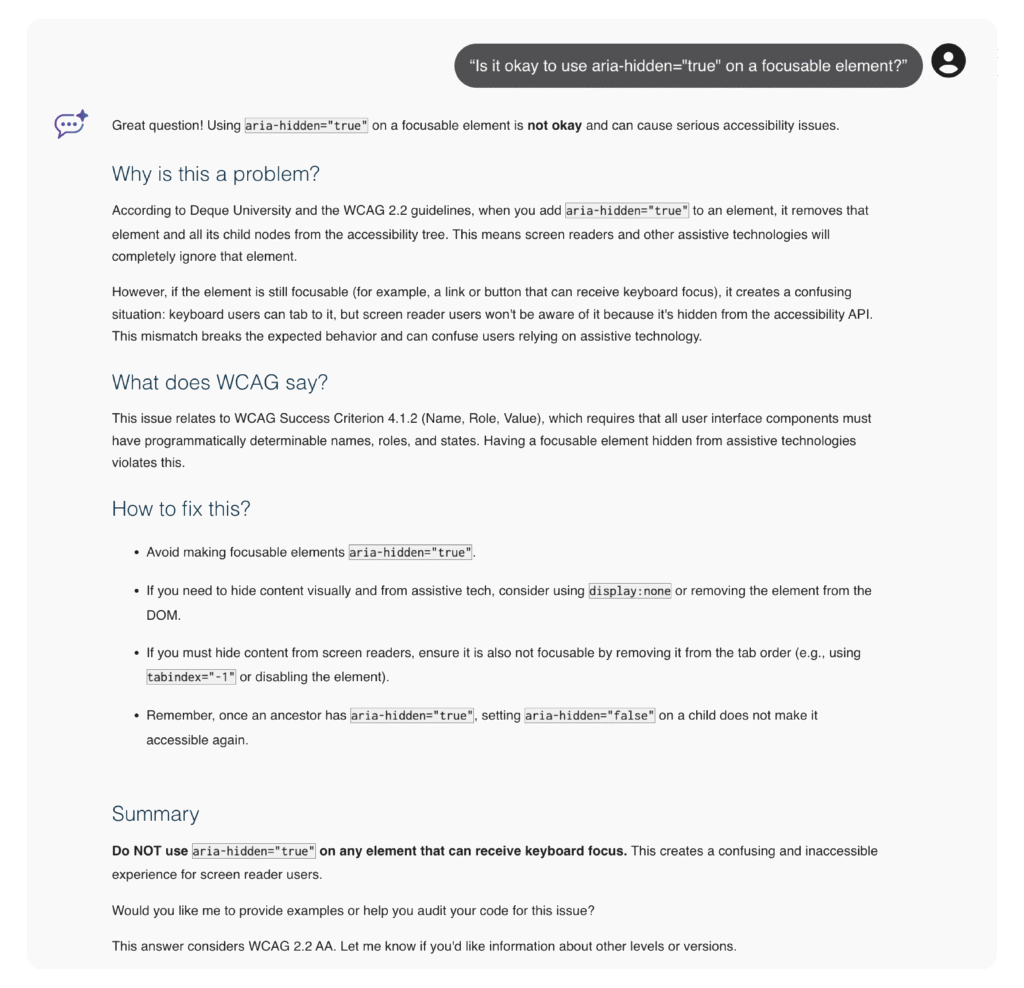
Engineering teams today are under pressure to deliver high-quality, accessible code quickly, but these teams often lack an immediate channel to accessibility experts who can validate their work in real time. Without that guidance, issues can slip through that can lead to production delays, costly rework, and broken user experiences. That’s why having a reliable,… Continue reading How to eliminate costly rework and fix accessibility issues early with expert guidance from axe Assistant
Introduction to Digital Accessibility
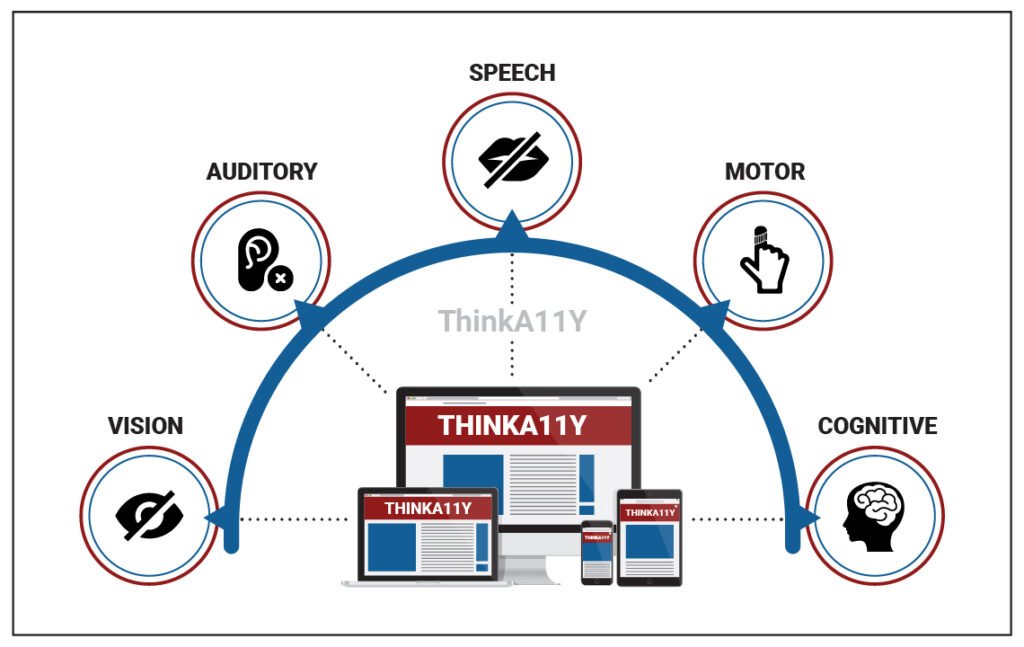
Introduction The dictionary term “Accessibility” means – The ability to acquire, use, understand, or enter into something with ease. Accessibility is a social responsibility. It’s an inclusive approach to creating products, services, and environments that can be used by people of all abilities including people with disabilities. Some examples of accessible solutions include: Wheelchairs Entry… Continue reading Introduction to Digital Accessibility
People with diverse abilities
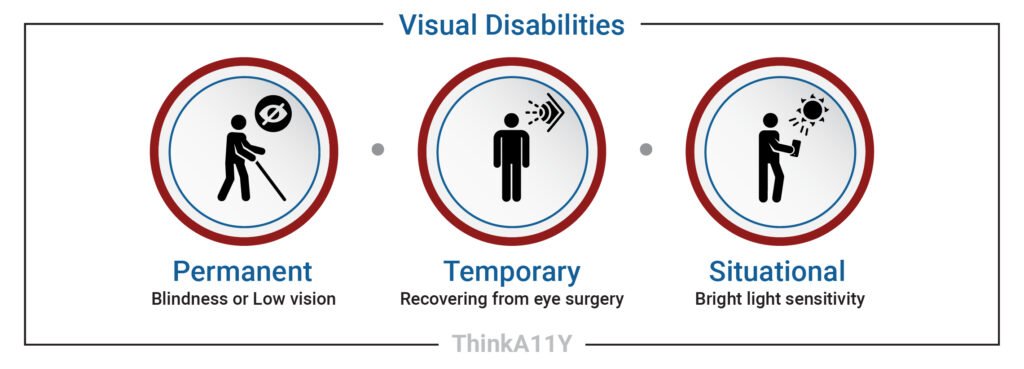
Introduction Accessibility is not just for people with disabilities, it is for everyone. Many of us may find ourselves in temporary or situational limitations on how we use and access content on the web. By creating solutions for users with a permanent disability, we are also helping users with temporary, situational disabilities or users with… Continue reading People with diverse abilities
Mixed-Methods Research: Combining Qualitative and Quantitative Data
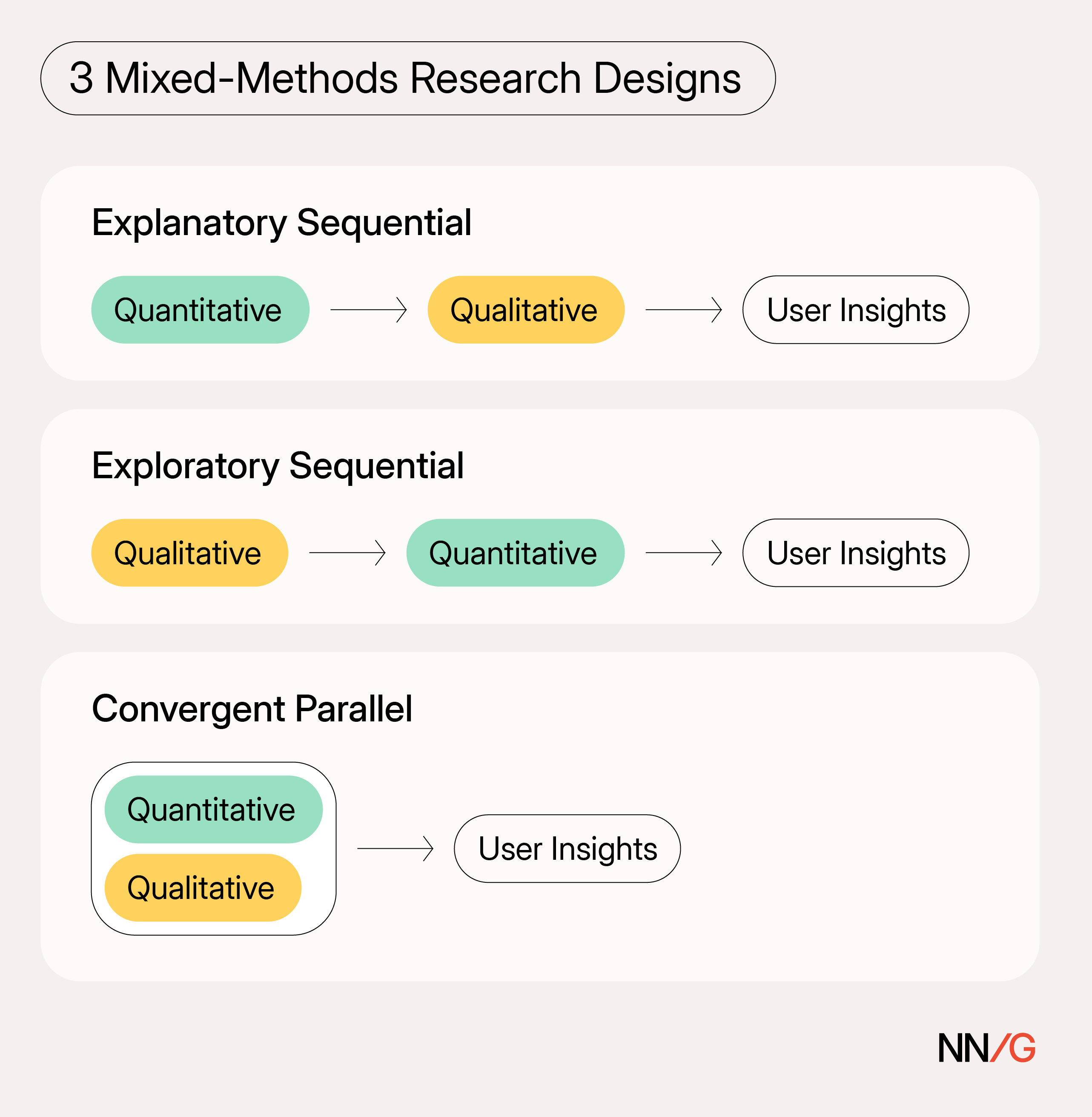
Summary: Mixed-methods research combines qualitative and quantitative methods to explore a single research question. Teams might assume that simply sprinkling in a quantitative survey alongside interviews qualifies as mixed-methods research. In reality, effective mixed-methods research involves more than just ensuring that both qualitative and quantitative methods appear somewhere in the same project. What Is Mixed-Methods… Continue reading Mixed-Methods Research: Combining Qualitative and Quantitative Data